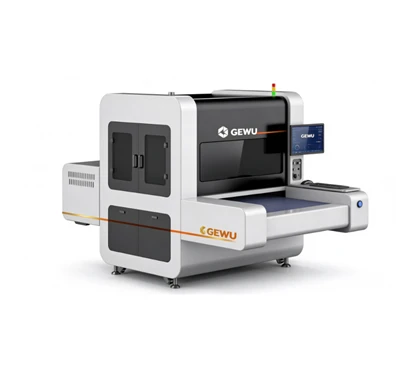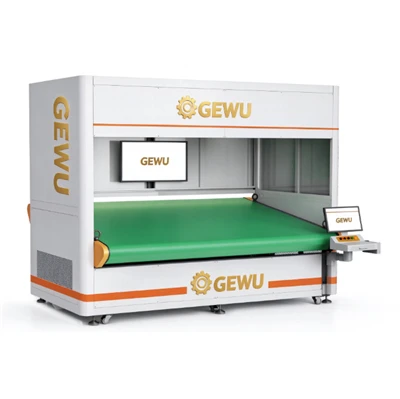
How to Improve EVA Sole Adhesion with a Good EVA Sole Washing Machine
The Core Problem: Why EVA Soles Resist Adhesion
EVA foam presents a fundamental challenge for footwear bonding. The material has a surface energy below 30 mJ/m², which is too low for most adhesives to properly wet and bond . This low surface energy means polyurethane and polychloroprene adhesives-the standard choices for sole bonding-cannot form a reliable chemical bridge with the EVA surface.
The situation is compounded by what happens during the molding process. EVA soles accumulate silicone wax release agents on their surface . These release agents create an additional barrier between the EVA and any adhesive applied later. As one adhesive manufacturer states plainly: surfaces to be bonded "must be dry, clean, free of grease and free of dust to ensure a reliable bonding" .
Traditional approaches to this problem have relied on manual roughening followed by solvent wiping. Workers sand the EVA surface to break through the glossy outer layer and expose inner micropores for mechanical interlock, then wipe with organic solvents like toluene or cyclohexanone to dissolve silicone residues . This works, but it is labor-intensive, inconsistent, and exposes workers to harmful chemicals.
How an EVA Sole Washing Machine Changes the Bonding Equation
An EVA sole washing machine addresses adhesion improvement at the most fundamental level: it prepares the surface so that primers and adhesives can do their job. The machine accomplishes this through a combination of mechanical, thermal, and chemical actions that manual methods cannot replicate at scale.
Removing the Release Agent Barrier
The primary function of the washing machine is degreasing-removing the mold release agents and surface oils that block adhesion. High-pressure spray jets and/or ultrasonic cavitation work together to flush contaminants from the porous EVA surface. Unlike manual wiping, which can push oils deeper into the foam structure, machine washing with hot aqueous solution at 55–65°C lifts oils away from the surface and carries them out of the cleaning chamber.
The patent literature on shoe material washing confirms that ultrasonic oscillation at frequencies around 28 kHz creates microscopic bubbles that collapse near the EVA surface, generating localized energy that dislodges oils and contaminants from within the foam's open-pore structure. The result is a surface free of the release agent layer that would otherwise sabotage adhesive bonding.
Opening the Surface for Mechanical Interlock
Beyond cleaning, the washing process-particularly when combined with high-pressure spray-alters the physical character of the EVA surface. The spray force opens surface capillaries and micro-pores that were closed or clogged during molding . This increases the effective surface area available for adhesive contact and creates sites where the adhesive can penetrate and mechanically interlock with the foam structure.
For EVA specifically, this is critical. The material's open-pore structure means adhesives can achieve better grip when those pores are clean and accessible, rather than filled with release agent residue.
Preparing for Chemical Priming
The final piece is chemical preparation. After washing, EVA soles require a primer or treatment agent to bridge the gap between the low-energy EVA surface and the adhesive. Adhesive suppliers like Köracoll specify that EVA soles should be pre-coated with primers such as Köracoll 3053 S after cleaning . The primer introduces polar functional groups onto the EVA surface, raising its surface energy and making it receptive to the polyurethane adhesive.
A clean surface is a prerequisite for primer effectiveness. If release agent or oil remains, the primer cannot properly wet the surface or form the chemical bridge needed for adhesion. The washing machine ensures the primer has a clean, active substrate to work with.
The Production Line Sequence: Where Washing Fits
Understanding how the washing machine improves adhesion requires seeing it in the context of the full bonding process. A typical cold cementing line for EVA soles follows this sequence:
Step 1: Washing and Degreasing. Soles pass through the washing machine, where high-pressure spray and/or ultrasonic action removes mold release agents and oils. Hot aqueous cleaning solution at 55–65°C penetrates the porous surface and flushes contaminants. Some machines integrate drying after the wash stage.
Step 2: Priming. Clean, dry EVA soles receive a uniform coat of EVA primer-either a UV-curable type or a heat-activated type. For UV-curable primers, the curing energy must be monitored and maintained within the specified range (typically 800–1200 mJ/cm²); insufficient energy means the primer fails to crosslink, while excessive energy causes over-oxidation and surface brittleness . For heat-activated primers, oven temperature is locked at 60–65°C with a minimum 3–5 minute baking time to fully evaporate solvents .
Step 3: Adhesive Application and Activation. After priming, polyurethane adhesive is applied to both sole and upper. The adhesive is dried and then heat-activated to 70–80°C until the film becomes transparent, at which point molecular chain mobility is high enough to form an interpenetrating network with the primed EVA surface .
Step 4: Pressing. Sole and upper are pressed together while the adhesive is still in its activated state. Proper pressure and dwell time complete the bond.
The washing machine's contribution is at Step 1, but its effect propagates through every subsequent step. A clean surface means the primer bonds properly. A properly bonded primer means the adhesive forms a strong chemical link. A strong chemical link means the finished shoe resists delamination in wear.
What "Good" Looks Like in a Washing Machine
Not all washing machines deliver the same adhesion improvement. Several factors determine whether the machine will actually enhance bonding or merely wet the surface:
Cleaning temperature control. EVA is heat-sensitive. The aqueous solution should be maintained at 55–65°C-hot enough to help dissolve oils, but below the threshold where EVA foam begins to soften or deform. Machines that run too hot can damage the foam surface, creating a different adhesion problem.
Uniform spray coverage. Every square millimeter of the bonding surface must be contacted by the cleaning spray or ultrasonic field. Machines with poor coverage leave "blind spots" where release agent survives, and these become the initiation points for delamination.
Effective rinse and drying. Contaminants removed by washing must be carried away, not redistributed. A proper rinse stage followed by hot air circulation drying ensures the sole exits clean and dry. Residual moisture can interfere with primer application just as effectively as residual oil.
Compatibility with the bonding process. The washing machine should produce soles that are immediately ready for priming-clean, dry, and at a temperature suitable for primer application. Integration with the production line flow matters as much as cleaning performance in isolation.
The Bottom Line
EVA sole adhesion depends on three things: a clean surface, an active primer, and a properly activated adhesive. The washing machine is the first and most fundamental link in that chain. By removing mold release agents that block primer adhesion, opening the foam structure for mechanical interlock, and delivering a consistently clean surface that primer can wet and bond to, a good EVA sole washing machine doesn't just clean soles-it makes reliable bonding possible. Without it, even the best primer and adhesive will struggle against a contaminated surface.