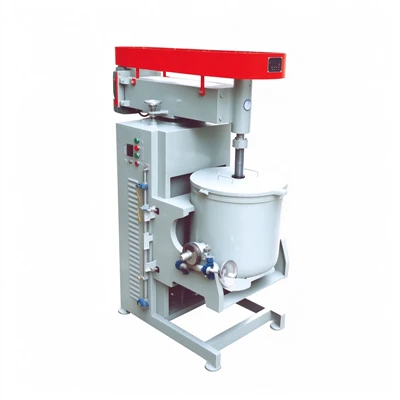
INDUSTRIAL SHOE MAKING MACHINERY · QUANZHOU, CHINA
Shoe Machine — Industrial Shoe Making Machinery for Footwear Manufacturing
Unstable machine performance, frequent breakdowns, hard-to-source spare parts and high defect rates are the top barriers to steady output for every shoe factory owner and production manager. Low-price but poor-quality shoe making machines often cost far more in downtime, rework and repair than they save upfront — and that cost only shows up after the first production month.
Fuying is a professional shoe machine manufacturer and supplier based in Quanzhou, Fujian — one of China’s most mature footwear industry hubs. We design, build and export complete industrial shoemaking equipment for small workshops, medium factories and large-scale production plants worldwide.
Whether you need a single replacement machine, a bulk wholesale order or a full turnkey shoe production line, we provide durable, easy-to-maintain solutions matched to your shoe types, daily output and budget.
Request Free Quotation Download Full CatalogueCore Machine Categories
Cutting to Finishing
Custom & Turnkey Projects
Africa · SE Asia · Middle East
Our Shoe Machine Categories by Production Stage
Every shoe making machine performs one dedicated process in the footwear manufacturing workflow. The table below covers every core station from raw material preparation to final lasting and finishing — with the typical production problem each category solves, so you can locate your bottleneck in one pass.
| Production Stage | Category Name | Core Function | Problem It Solves |
|---|---|---|---|
| Gluing & Assembly | Gluing and Bonding Machines | Automatic glue applying, bonding for shoe components, upper & lining lamination | Uneven hand brushing, glue overflow and lining peeling |
| Outsole Treatment | Outsole Processing Machines | Roughing, grinding and cleaning outsoles to boost glue adhesion | Sole delamination caused by smooth or contaminated bonding surfaces |
| Material Cutting | Cutting-off Machines | Precision cutting of leather, mesh, PU, EVA and insole board | Manual cutting wasting leather and producing inconsistent part sizes |
| Upper Stitching | Upper Sewing Machines | Stitch and assemble upper parts for leather, canvas and sneaker uppers | Puckered seams and skipped stitches on curved, layered uppers |
| Upper Shaping | Upper Setting Machines | Heat / steam setting to remove wrinkles and fix shoe shape | Uppers springing back after lasting and toe wrinkles appearing in storage |
| Sole Attaching | Sole Press Machines | Hydraulic or pneumatic pressing to bond outsole and upper | Heel delamination that only shows up after shipment |
| Surface Finishing | Spraying Machines | Automatic painting, colour coating and surface finishing | Uneven colour coating and overspray on uppers and soles |
| Heel Forming | Heel Lasting Machines | Stretch and fix upper onto last at heel section | Distorted heel counter and inconsistent heel fit |
| Special Process | UV And Heat Machines | UV curing, high-frequency welding, embossing and thermal forming | Special craft effects that cannot be achieved with standard heating |
All category names above link to their dedicated page, where you can compare machine types, specifications and selection guides in detail.
Why Choose Fuying as Your Shoe Machine Supplier
Purchasing industrial shoe manufacturing machines is a long-term production investment. We focus on lowering your total cost of ownership, not just offering the lowest upfront price.
Factory Direct & Competitive Pricing
As an original shoe machine manufacturer from China, we sell directly without middlemen. Transparent pricing applies to both single-unit purchases and bulk wholesale orders.
One-Stop Full Workflow Solution
From cutting-off, upper sewing, gluing and bonding, sole pressing to heel lasting, you can source all core shoemaking equipment from one supplier, simplifying procurement, after-sales management and maintenance.
Built for Continuous Workshop Operation
Heavy steel frame structure and industrial-grade components ensure stable performance under 8–16 hour daily production cycles, suitable for long-running mass footwear manufacturing.
OEM & Custom Engineering Support
We accept custom shoe machine and OEM orders. We can adjust working dimensions, pressure parameters, control systems and production line layout to fit your workshop space and product requirements.
Long-Term Spare Parts & Technical Service
We stock common wearing parts and provide operation manuals, video guidance and remote troubleshooting. Full support covers installation, routine maintenance and repair assistance.
Global Export & Logistics Support
We ship worldwide by sea and air with complete export documentation. We regularly supply shoe machinery to Nigeria, Kenya, South Africa, Uganda, Vietnam, Indonesia, UAE, Saudi Arabia, India and Pakistan.
Tell Us Your Factory Location and Main Shoe Type
We will recommend the most suitable machine configuration — single unit, mixed line or full turnkey project — and send an itemised quotation.
-
![PVC Drip Molding Vacuum Deaerator]() PVC Drip Molding Vacuum DeaeratorThe 2X-15 Barrel Vacuum Aspirator is an essential unit in the plastic dripping production line. It removes air bubbles and gases from mixed PVC plastisol, ensuring a perfectly smooth and defect-free finished product.read more
-
![Semi-liquid Industrial Mixer]() Semi-liquid Industrial MixerModel SHG-50L: A heavy-duty blender engineered for kneading and mixing PVC plastisol and semi-liquid raw materials. Ensures a homogeneous paste before vacuum deaeration in the dripping production line.read more
-
![PVC Dripping Constant Temperature Cabinet Oven]() PVC Dripping Constant Temperature Cabinet OvenIndustrial batch oven for the pre-solidification and curing of PVC plastisol dots. Compact cabinet design (450×700 mm) with precise temperature control, ideal for small to medium-scale plastic dripping production.read more
-
![PVC Dripping Conveyor Curing Oven]() PVC Dripping Conveyor Curing OvenContinuous tunnel heating system designed to cure PVC plastisol dots after color dripping. Available in 300×3200 mm and 550×4500 mm configurations to match your production line.read more
-
![Plastic Blow Molding Extruder Main Unit]() Plastic Blow Molding Extruder Main UnitThe melting and plasticizing heart of the hollow blow molding line. Designed to continuously extrude high-quality half-melting plastic parisons, which are then inflated into bottles, jars, and containers.read more
-
![Manual Mold Closing Unit For Extrusion Blow Molding]() Manual Mold Closing Unit For Extrusion Blow MoldingA heavy-duty, lever-operated mold clamping machine for hollow blow molding lines. Designed for flexibility and reliable performance, it is ideal for producing plastic bottles, jars, and various packaging containers.read more
-
![Automatic Mold Closing Machine For Plastic Blow Molding]() Automatic Mold Closing Machine For Plastic Blow MoldingA critical component of the Hollow Blowing Molding Line. This electric mold clamping machine securely holds the molds and drives them to close tightly around the hot parison, allowing compressed air to blow and form the hollow plasticread more
-
![Single Screw Plastic Pelletizing Extruder]() Single Screw Plastic Pelletizing ExtruderThe powerful core of the cold pulling plastic recycling line. Designed for stable plasticizing and continuous extrusion of recycled materials, available in three mainframe sizes with an automatic net-changing system.read more
-
![Stainless Steel Cyclone Hopper For Vacuum Auto Loader]() Stainless Steel Cyclone Hopper For Vacuum Auto LoaderA crucial component in the plastic pelletizing line. This heavy-duty stainless steel cyclone hopper works in tandem with high-speed air blowers to rapidly cool, form, and dedust plastic granules after the cutting process.read more
-
![Plastic Strand Moisture Absorbing Device]() Plastic Strand Moisture Absorbing DeviceAn essential auxiliary machine for cold pulling pelletizing lines. Designed to rapidly and thoroughly remove residual water from extruded plastic strands before they enter the cutter, ensuring clean, high-quality granules.read more
-
![Cold Pull Strand Cutting Machine]() Cold Pull Strand Cutting MachineA highly efficient pelletizing solution designed specifically for recycling and reusing mixed waste plastics (PE, PP, PU, TPU, PBS, etc.). Featuring a compact structure and low-dust operation, it is the ideal equipment for plasticread more
-
![PVC Powder Heating Mixer Machine]() PVC Powder Heating Mixer MachineA heavy-duty, heating-type blending solution designed for the plastic pelletizing industry. It provides stable plastification and uniform mixing for PVC, TPR, and various modified material powders before they enter the extrusion stage.read more


NEXT STEP: FROM MACHINE SELECTION TO SHIPMENT
Selection, Maintenance, Markets & FAQ for Shoe Machines
This section helps you evaluate equipment, understand build quality, plan maintenance, and see how we work with footwear manufacturers in different regions. Use it together with the category table above to build a machine list that fits your shoe type and output target.
Key Benefits of Modern Industrial Shoe Making Machines
Upgrading from manual or outdated equipment to professional shoe production machines brings measurable improvements to your factory operation:
- Higher daily output: automated working cycles increase production capacity and reduce reliance on highly skilled manual labour.
- Lower defect rate: consistent pressure, temperature and timing control reduce bonding failure and shaping errors, cutting rework costs.
- Uniform product quality: standardised setting, lasting and pressing processes ensure consistent fit and finish across every production batch.
- Lower long-term cost: durable industrial construction reduces frequent repair and premature replacement expenses.
- Easier capacity scaling: standardised machinery makes it simpler to expand production lines or add new work shifts as your business grows.
How to Choose the Right Shoe Machine for Your Factory
Choosing the wrong shoe machine leads to wasted budget and production delays. Evaluate these five core factors before placing an order:
- Main shoe type: sneaker factories usually need cutting-off machines, upper sewing machines, outsole processing machines and sole press machines. Leather shoe factories focus more on upper setting machines and heel lasting machines.
- Daily output target: semi-automatic machines fit 300–1200 pairs per day; high-volume plants require fully automatic workstations.
- Available workshop space: compact models for small rental workshops; heavy standalone machines need dedicated installation space and clearance.
- Local power supply: we configure voltage and frequency to match your local grid standards.
- After-sales accessibility: if local repair technicians are scarce, choose models with simple mechanical structures and widely available spare parts.
Automatic vs Semi-Automatic Shoe Machine Comparison
| Comparison | Automatic Shoe Machine | Semi-Automatic Shoe Machine |
|---|---|---|
| Labour Requirement | Low — one operator can supervise multiple stations | Medium — manual loading and unloading per cycle |
| Upfront Investment | Higher | Moderate — lower entry barrier |
| Output Capacity | High-volume mass production | Small and medium batch production |
| Operator Skill Bar | Basic training is sufficient | Basic workflow familiarity recommended |
| Best For | Large sneaker / safety shoe factories | New workshops, mixed-style small batches |
Construction, Materials & Build Quality
Our shoe machines are engineered to withstand dusty, humid and glue-laden workshop environments — a critical advantage for factories in tropical regions like Nigeria, Vietnam and Indonesia.
Main Materials
- Machine frame: thick carbon steel plate, stress-relieved after welding, coated with anti-corrosion industrial paint
- Working table: wear-resistant cast iron or stainless steel surface
- Core components: industrial-grade hydraulic parts, motors, electrical elements and sensors from reliable suppliers
- Protection: oil-proof and dust-proof sealed wiring and sealing components
Production Process
- Raw steel cutting and precision machining
- Frame welding, grinding and stress relief treatment
- Hydraulic, pneumatic and electrical component assembly
- System calibration and function debugging
- 4–8 hours continuous full-load aging test
- Final quality inspection, cleaning and export packing
Common Replaceable Components
Hydraulic cylinders, solenoid valves, pressure sensors, heating tubes, clamping fixtures, drive belts, spray nozzles and control panel parts. Common wearing parts are kept in stock for fast worldwide delivery.
Maintenance Tips & Operation Precautions
Regular and simple maintenance greatly extends shoe machine service life and avoids unexpected production downtime.
| Frequency | Maintenance Action |
|---|---|
| Daily | Clean glue residue, fabric dust and material scraps from the worktable and fixtures after each shift |
| Weekly | Lubricate moving joints, check hydraulic oil level and inspect cable insulation condition |
| Monthly | Calibrate pressure sensors and re-tighten mounting fasteners |
⚠ Safety & Usage Notes: Operators must read the operation manual before running the machine. Never operate the machine beyond its rated load or specification. Fully disconnect the main power supply before performing any repair or part replacement. Keep the workshop dry, well-ventilated and free of excessive flammable dust.
Applications & Served Global Markets
Our shoe making machines are suitable for manufacturing all major footwear categories: leather dress shoes and formal footwear, sports sneakers and running shoes, safety work shoes and protective footwear, casual shoes, sandals and slippers, and children’s footwear.
| Region | Key Markets | Typical Demand |
|---|---|---|
| Africa | Nigeria, Kenya, South Africa, Uganda | Durable, cost-effective semi-automatic and automatic shoe production lines for local footwear brands |
| Southeast Asia | Vietnam, Indonesia, Malaysia | Large sneaker OEM clusters with high demand for cutting-off, upper sewing, outsole processing and sole press machines |
| Middle East | UAE, Saudi Arabia | Steady demand for leather shoe and safety shoe equipment, including gluing and bonding, upper setting and heel lasting machines |
| South Asia | India, Pakistan | Fast-growing local footwear manufacturing with demand for complete workflow shoe machinery solutions |
Tell us your factory location and main shoe type, and we will recommend the most suitable machine configuration for your market and production scale.
Custom OEM & Turnkey Shoe Production Line Service
Standard shoe machines fit most production needs, but custom engineering unlocks solutions for special footwear designs, unique workshop layouts and specific output targets.
What We Can Customise
- Working table dimensions and overall machine structure
- Pressure, speed and temperature parameter ranges
- Control system and operation interface
- Full production line workstation layout
- Private label and custom packaging for wholesale distributors
Turnkey Project Workflow
- Share your shoe type, daily output target and workshop floor plan
- Our engineering team designs a matched machine lineup, including cutting-off, sewing, gluing, sole press and heel lasting stations
- Confirm quotation and technical specifications
- Production, quality testing and regular progress updates
- Coordinated shipping, document handover and remote commissioning guidance
Our Factory, Certifications & Customer Cases
We operate an in-house machining and assembly workshop in Quanzhou, Fujian. Every shoe machine passes strict functional and safety inspection before shipment, with full supporting documentation for international export.
[ Certificate images: equipment inspection certificates, export qualifications ]
Representative Project Cases
Vietnam Sneaker Factory Project
Full workflow solution including cutting-off, upper sewing, outsole processing and sole press machines for 2000+ pairs daily output. The line ran two shifts from the first month, and the factory reported a clear reduction in sole-related rework after switching from manual cutting and inconsistent pressing.
Nigeria Leather Shoe Workshop
Batch supply of gluing and bonding, upper setting and heel lasting machines for local leather footwear production. The workshop moved from hand brushing and air drying to controlled glue application and heat setting, improving batch consistency for formal shoe orders.
India Safety Shoe Manufacturer
Semi-automatic sole press and outsole processing machines for production capacity expansion. The added roughing and pressing stations allowed the factory to increase output without adding a second shift, while reducing heel delamination complaints.
Frequently Asked Questions About Shoe Machines
Q1: What is a shoe machine?
A shoe machine is specialised industrial equipment used to automate different steps in footwear mass production, replacing heavy and inconsistent manual work. Our lineup covers gluing and bonding, outsole processing, cutting-off, upper sewing, upper setting, sole press, spraying, heel lasting, UV and heat machines.
Q2: What machines are needed for a complete shoe production line?
A full shoemaking line normally includes cutting-off machines, upper sewing machines, upper setting machines, gluing and bonding machines, outsole processing machines, sole press machines, spraying machines, heel lasting machines and UV and heat machines.
Q3: Can I buy just one shoe machine instead of a full line?
Yes. Single replacement machine orders and small bulk orders are both welcome. We quote the same transparent factory-direct price whether you buy one unit or a full line.
Q4: What is a heel lasting machine used for?
A heel lasting machine pulls and secures the shoe upper tightly onto a shoe last at the heel section, which defines the final heel shape and fit of the shoe.
Q5: What are outsole processing machines for?
Outsole processing machines are used for grinding, roughing and cleaning outsoles to improve glue adhesion and prevent delamination between sole and upper.
Q6: Are your shoe machines suitable for sneaker production?
Yes, cutting-off machines, upper sewing machines, outsole processing machines and sole press machines are widely used in sneaker manufacturing. We also supply gluing and bonding and upper setting equipment for sneaker lines.
Q7: Can you customise shoe machines for special shoe designs?
We support OEM and ODM customisation for dimensions, fixtures, functions and control systems, including UV and heat machines for special crafts.
Q8: What is the difference between automatic and semi-automatic shoe machines?
Automatic machines run full cycles with minimal manual input; semi-automatic machines require manual loading/unloading and have a lower upfront cost. The comparison table above summarises the trade-offs.
Q9: How much does a shoe making machine cost?
Shoe making machine price varies widely by type, automation level, specification and order quantity, such as sole press machines, heel lasting machines and gluing and bonding machines. Contact us with your requirements for an accurate formal quotation — the price of a fully automatic shoe making machine is naturally higher than a semi-automatic unit, but the labour savings often shorten the payback period.
Q10: How long is the warranty for your shoe machines?
We provide a standard warranty for core mechanical and hydraulic parts. Spare parts supply remains available long after the warranty expires.
Q11: Do you stock spare parts for shoe machines?
Yes, we keep common wearing parts in stock for fast worldwide delivery. This includes hydraulic cylinders, solenoid valves, pressure sensors, heating tubes, belts and spray nozzles.
Q12: Do you provide installation guidance?
We supply detailed operation manuals, setup videos and online remote technical support.
Q13: Can your technicians visit our factory for on-site commissioning?
On-site service is available for large turnkey line projects under separate arrangement.
Q14: What is the typical lead time for shoe machine orders?
Standard models have shorter lead times; custom-modified machines require longer production cycles. We confirm the schedule before order and keep you updated during production.
Q15: Which countries do you export shoe machines to?
We mainly export to Africa, Southeast Asia, the Middle East and South Asia, including Nigeria, Kenya, South Africa, Vietnam, Indonesia, UAE, India and Pakistan.
Q16: What materials can cutting-off machines process?
They cut leather, fabric, mesh, PU, EVA, insole board and most common shoe material sheets.
Q17: What are upper setting machines used for?
Upper setting machines use heat or steam to shape shoe uppers, remove wrinkles and stabilise shoe shape. They are essential for leather shoes and any style where the upper must hold its 3D form after lasting.
Q18: Are these machines easy for new workers to operate?
Our control interfaces are designed for workshop operators; most staff master basic operation after short training.
Q19: What are UV and heat machines used in shoemaking?
UV and heat machines are for UV glue curing, high-frequency welding, embossing and thermal forming for special footwear processes.
Q20: How do I start an order?
Send us your shoe type, daily output target, required machines and destination port, and we will prepare a tailored proposal and quotation.
Get Your Tailored Shoe Machine Solution Today
Whether you are starting a new shoe factory, expanding production capacity or replacing old unreliable equipment, we can build a solution matched to your goals and budget. Share your production requirements, and our engineering team will reply with a recommended machine configuration and itemised quotation.
Send RFQ Now Download Full CatalogueWe're well-known as one of the leading shoe machine manufacturers in China. With abundant experience, we warmly welcome you to buy bulk customized shoe machine from our factory. If you have any enquiry about cooperation, please feel free to email us.
-
![PVC Drip Molding Vacuum Deaerator]() PVC Drip Molding Vacuum DeaeratorThe 2X-15 Barrel Vacuum Aspirator is an essential unit in the plastic dripping production line. It removes air bubblesread more
-
![Semi-liquid Industrial Mixer]() Semi-liquid Industrial MixerModel SHG-50L: A heavy-duty blender engineered for kneading and mixing PVC plastisol and semi-liquid raw materials.read more
-
![PVC Dripping Constant Temperature Cabinet Oven]() PVC Dripping Constant Temperature Cabinet OvenIndustrial batch oven for the pre-solidification and curing of PVC plastisol dots. Compact cabinet design (450×700 mm)read more
-
![PVC Dripping Conveyor Curing Oven]() PVC Dripping Conveyor Curing OvenContinuous tunnel heating system designed to cure PVC plastisol dots after color dripping. Available in 300×3200 mm andread more
-
![Plastic Blow Molding Extruder Main Unit]() Plastic Blow Molding Extruder Main UnitThe melting and plasticizing heart of the hollow blow molding line. Designed to continuously extrude high-qualityread more
-
![Manual Mold Closing Unit For Extrusion Blow Molding]() Manual Mold Closing Unit For Extrusion Blow MoldingA heavy-duty, lever-operated mold clamping machine for hollow blow molding lines. Designed for flexibility and reliableread more