ROI of Shoe Making Machine for Outsole Wrinkle Elimination in Footwear Manufacturing
Outsole wrinkles are not just a cosmetic problem. In footwear manufacturing, wrinkled outsole surfaces often indicate inconsistent density or incomplete cross-linking in the EVA foam, which can affect the shoe's perceived quality and durability. When these defects reach the customer, the cost extends far beyond the price of the affected pair.
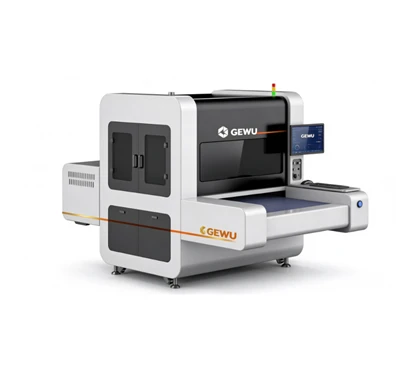
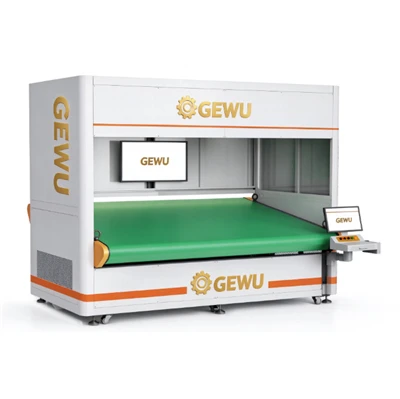
An outsole wrinkle elimination machine addresses these defects through controlled hot air treatment before the shoe moves to final inspection and packaging. For factory managers evaluating the investment, the return on investment calculation involves several distinct cost factors.
The Cost of Not Addressing Outsole Wrinkles
To calculate ROI, the baseline cost of the current defect rate must be established first.
Rework labor and time. Wrinkled outsoles that reach the finishing department require manual remediation-often reheating and reshaping by hand, or in some cases, scrapping the sole entirely. Each rework cycle consumes operator time that could be spent on productive output. In a factory with 200-plus workers, the labor cost per month can reach significant figures.
Material waste. Outsole waste in footwear manufacturing has been measured at approximately 17.2% of total waste in some factory inventories. While not all of this is attributable to wrinkles, wrinkled and deformed outsoles that cannot be reworked become material waste. EVA and rubber compounds represent a direct material cost that is lost.
Inspection and sorting costs. Wrinkled outsoles must be identified and separated from acceptable parts. This adds inspection time and, if defects are inconsistent, may require 100% inspection rather than sampling-further increasing labor burden.
Customer returns and brand impact. For factories supplying major brands, outsole surface quality is a standard inspection criterion. Wrinkled outsoles that pass internal inspection but fail brand QC result in chargebacks, rework shipments, or order cancellations.
The Investment: Machine Cost and Operating Expenses
Outsole wrinkle elimination machines are available across a range of price points. Entry-level hot air models start around US$600–900 for smaller units, while industrial-grade machines with production line integration and higher throughput capacity range from approximately US$1,900 to over US$7,000 depending on configuration and capacity.
Operating costs include electricity and labor. A typical machine in the 3.5–12kW range consumes energy continuously during production shifts. At industrial electricity rates of US$0.10–0.14 per kWh in southern manufacturing clusters, and US$0.07–0.10 in central China, the energy cost per pair processed is modest but should be factored into the calculation.
Labor represents a more significant operating cost. Machines with production line pulley integration reduce the operator requirement to approximately two workers per line, compared to four or more for traditional standalone wrinkle removal systems. In a labor market where shoe factory workers earn an average of RMB 4,000–5,000 monthly in major manufacturing hubs, reducing operator requirements directly improves the cost equation.
Quantifying the Benefit
The primary ROI drivers are labor savings and defect elimination.
Labor productivity gain. If a wrinkle elimination machine reduces the manual rework and inspection burden by even one operator position per shift, the annual labor savings at RMB 5,000/month equals RMB 60,000 (approximately US$8,300). Over a two-year period, this exceeds the purchase price of many entry-level models.
Throughput improvement. Machines with 100–300 pairs/hour capacity can process production volumes that would require significantly more manual labor if wrinkles were addressed at the finishing station. This throughput gain allows existing labor to be redeployed to value-adding tasks.
Reduced material waste. Every outsole that is saved from becoming scrap represents a direct material cost recovery. For EVA soles, material cost per pair varies, but eliminating even a small percentage of waste translates to measurable savings at production volumes of hundreds of pairs per day.
Quality cost avoidance. The most difficult cost to quantify is the avoided cost of a defect reaching the customer. For factories supplying brands with strict QC standards, outsole surface defects can trigger chargebacks that dwarf the machine's purchase price. Wrinkle elimination at the source prevents these downstream costs.
Payback Period Estimation
A simplified payback calculation for a factory processing 500 pairs per day:
| Factor | Conservative Estimate |
|---|---|
| Machine purchase price | US$2,000–7,000 |
| Annual labor savings (1 operator) | US$8,000–10,000 |
| Annual energy cost | US$500–1,500 |
| Annual material waste reduction | US$1,000–3,000 |
| Estimated payback period | 6–18 months |
The payback period shortens significantly for factories with higher production volumes, tighter labor markets, or stricter quality requirements from brand customers.
Summary
The ROI of an outsole wrinkle elimination machine is driven by labor productivity, material waste reduction, and quality cost avoidance. Entry-level machines can achieve payback in under a year when labor savings from reduced rework are included. Higher-capacity machines with production line integration offer greater throughput and labor reduction for medium-to-high volume factories. The calculation should account for the factory's specific defect rate, labor cost structure, and customer quality requirements.