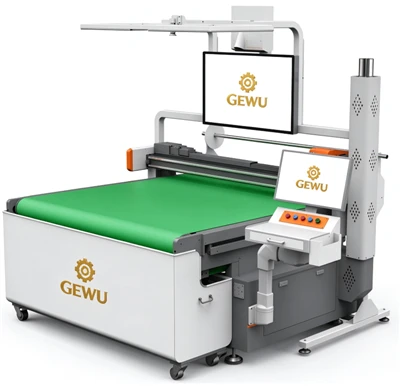
Maintenance Guide for Shoe Making Machine for Outsole Wrinkle Elimination
Outsole wrinkle elimination machines operate under continuous thermal stress. The heating elements cycle on and off throughout the production shift, the hot air circulation system moves heated air through ducts and chambers, and the conveyor or positioning mechanisms experience constant mechanical wear. Unlike machines that operate at ambient temperature, wrinkle elimination equipment combines heat, airflow, and mechanical motion in a single system-each component affecting the others. A clogged air filter reduces airflow, which causes uneven heating, which produces inconsistent wrinkle removal. A worn conveyor belt changes the dwell time in the heating zone, which affects surface quality. Understanding these interdependencies is the foundation of effective maintenance.
Daily Maintenance: Before and After Each Shift
Pre-Operation Checks
The start of each production shift is the time to verify that all systems are functioning as designed before soles enter the machine.
Verify airflow and heating function. Before loading any soles, turn on the heating system and allow it to reach operating temperature. Check that hot air is flowing freely through the V-type outlet or convection chamber. If the airflow feels weak or uneven, inspect the air ducts for obstructions .
Inspect the air outlet. The V-type concentrated air outlet is the critical component that directs heat to the wrinkled zone. Check for dust, residue, or debris that may have accumulated overnight. A partially blocked outlet will deliver uneven heat, producing inconsistent wrinkle removal results .
Check the conveyor or positioning system. If the machine uses a conveyor to move soles through the heating zone, verify that the belt tracks correctly and runs at the intended speed. A slipping belt reduces the dwell time in the heating chamber, which directly affects wrinkle removal effectiveness .
Post-Shift Cleaning
After production ends, the machine should be cleaned while the components are still accessible and before residue hardens.
Clean the heating chamber and air ducts. Residual oils, plasticizers, and volatile compounds from EVA or rubber soles can accumulate on chamber walls and duct surfaces. These deposits reduce airflow efficiency and can carbonize over time, creating a fire hazard. Use a soft brush or cloth to remove loose residue. Avoid abrasive materials that could scratch metal surfaces .
Wipe down the air outlet and heating elements. With the power disconnected and the machine cooled, wipe the V-type outlet and any exposed heating elements. If residue has baked onto the surface, use a plastic or brass brush soaked in alcohol to remove it-never use steel bristled brushes, which can damage heating components .
Clean the conveyor belt or positioning fixtures. Adhesive residue, sole material fragments, and dust accumulate on the conveyor or sole positioning fixtures. Clean these surfaces to prevent material transfer to subsequent soles and to maintain proper sole positioning.
Weekly Maintenance: Airflow and Mechanical Systems
Air Filter and Duct Inspection
The hot air circulation system depends on unobstructed airflow. Clogged filters or ducts force the blower to work harder, reduce heating efficiency, and cause temperature variations within the chamber .
Inspect and clean or replace air filters weekly. The frequency depends on your production environment-factories with high ambient dust or those processing materials that generate airborne particles may require more frequent cleaning. Check that duct connections are secure and that no leaks are allowing heated air to escape before reaching the sole surface.
Blower and Fan Inspection
The blower wheel that circulates hot air is subject to lint, dust, and residue accumulation. The cupped blades of a blower wheel lose efficiency when filled with debris, reducing airflow and causing uneven heating .
Inspect the blower wheel weekly for buildup. If the blades are clogged, remove the blower assembly and clean it according to the manufacturer's instructions. Also check the drive belt tension. A loose belt can slip, reducing blower speed by up to 30% and significantly reducing airflow . A polished belt surface indicates slippage even if the belt appears tight.
Conveyor or Positioning Mechanism
Lubricate moving parts-hinges, joints, and conveyor bearings-according to the manufacturer's recommendations . Use lubricants suitable for high-temperature environments, as standard greases may break down or migrate under thermal stress.
Check the conveyor belt tension and tracking. A belt that drifts to one side will cause soles to pass through the heating zone at an angle, producing uneven wrinkle removal. Adjust tension if slippage is observed, but avoid over-tightening, which can damage bearings .
Monthly Maintenance: Electrical and Temperature Control Systems
Temperature Controller Calibration
The temperature controller is the heart of the wrinkle elimination process. If the actual chamber temperature deviates from the setpoint, wrinkle removal quality suffers-too low and wrinkles remain, too high and the sole surface may be damaged.
Use an external thermometer or thermocouple to verify that the displayed temperature matches the actual temperature in the heating zone. If calibration is needed, follow the controller manufacturer's procedure . A thermocouple that has been exposed to prolonged high temperatures may oxidize and produce inaccurate readings. If temperature readings fluctuate or remain consistently below the setpoint despite the heater being on, the thermocouple may need replacement .
Electrical Connections and Safety Systems
Inspect electrical wiring, switches, and connections for signs of overheating, fraying, or looseness . Heat cycling can loosen terminal screws over time, and loose connections generate resistance that leads to further overheating.
Test the over-temperature protection system to verify it functions correctly. This safety feature prevents the heating chamber from exceeding safe limits, which could damage both the machine and the soles being processed.
Quarterly Maintenance: Deeper Inspection and Component Replacement
Heating Element Inspection
The heating elements-whether electric resistance coils or heating tubes-degrade over time. A heating element that is partially failed will produce uneven heat distribution, causing inconsistent wrinkle removal across the chamber.
Inspect heating elements for discoloration, warping, or physical damage. Measure the resistance of heating elements with a multimeter and compare to the manufacturer's specification. Elements that have drifted significantly from specification should be replaced before they fail completely .
Blower and Motor Service
Quarterly, the blower motor and its drive system should receive more thorough attention than weekly inspections allow. Check motor bearings for play or noise. Lubricate if the motor is equipped with lubrication points. Inspect the blower wheel for cracks or deformation that could cause imbalance and vibration.
Heat Shoe or Outlet Replacement
If the machine uses a heat shoe or a replaceable air outlet assembly, inspect it for wear or degradation. Heat shoes that have accumulated baked-on residue or show signs of physical wear should be removed, cleaned, and inspected for replacement . The procedure typically involves disconnecting the heater and thermocouple, inserting them into a new heat shoe, and re-securing the assembly.
Troubleshooting Common Operational Issues
Inconsistent Wrinkle Removal Across the Sole
If some areas of the sole are smoothed while others remain wrinkled, the most likely cause is uneven heat distribution. Check the V-type air outlet for partial blockage. Verify that the blower is operating at full speed and that the air filter is not clogged .
Machine Not Reaching Operating Temperature
If the chamber temperature remains below the setpoint despite the heater being on, check the thermocouple for proper placement and function. A thermocouple that has lost contact with the heating surface or that has oxidized will report a lower temperature than actual, causing the controller to keep the heater on longer than necessary-or, conversely, to report a higher temperature than actual, causing under-heating .
Unusual Noise or Vibration
Noise or vibration from the blower or conveyor usually indicates a mechanical problem. A blower wheel that has accumulated uneven buildup will be out of balance and vibrate. A conveyor belt that has developed a flat spot or is running against a guide will produce rhythmic noise. Address these issues promptly-vibration accelerates wear on bearings and other components.
Safety Considerations
The wrinkle elimination machine operates at temperatures that can cause burns. Allow the machine to cool completely before performing any maintenance that requires contact with the heating chamber, air outlet, or heating elements.
Disconnect power before any maintenance that involves electrical components or that requires opening panels that expose wiring . The machine should be isolated from its power source and verified as de-energized before work begins.
Never use water or liquid cleaners on electrical components or heating elements. Use only dry methods or alcohol-dampened cloths, and ensure components are completely dry before restoring power .
Summary
| Interval | Key Tasks |
|---|---|
| Daily | Verify airflow and heating before production; clean chamber and air outlet after shift |
| Weekly | Clean or replace air filters; inspect blower wheel and belt; lubricate moving parts |
| Monthly | Calibrate temperature controller; inspect electrical connections; test safety systems |
| Quarterly | Inspect and test heating elements; service blower motor; replace worn heat shoes |
The wrinkle elimination machine is a thermal system, and its performance depends on the interaction of heating, airflow, and mechanical positioning. Maintenance that addresses only one of these elements-cleaning the outlet but ignoring the blower, or checking temperature but neglecting the conveyor-will not deliver consistent results. A disciplined maintenance schedule that treats the machine as an integrated system is what keeps wrinkle removal quality consistent shift after shift.