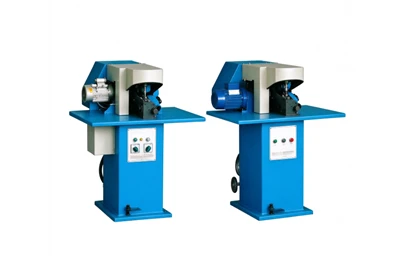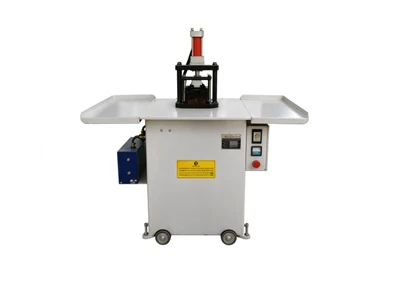
Benefits of Universal Hydraulic Sole Press Machine
In footwear manufacturing, the sole pressing operation is one of the last critical steps before finishing. The quality of the bond between the outsole and the upper determines whether the shoe will hold together through wear, moisture, and flexing - or whether it will develop gaps, peeling, and delamination that lead to customer returns and brand damage.
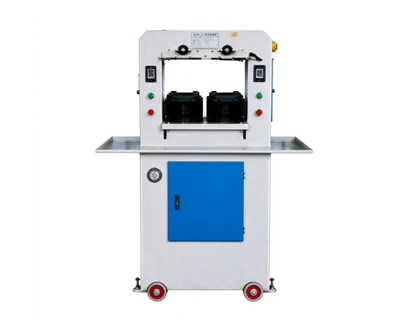
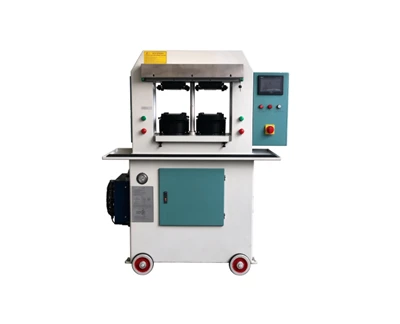
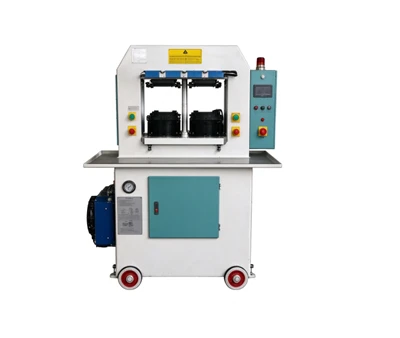
The universal hydraulic sole press machine has become a standard piece of equipment in many footwear factories for a reason. Unlike earlier generations of sole presses that relied on rigid pads or complex tooling, the universal hydraulic design uses hydraulic pressure applied through a flexible membrane or an array of conforming pressure elements to achieve what the industry calls "all-directional pressing" - pressure applied from below, from the sides, and from the front and back, simultaneously or in sequence.
This article examines the specific benefits that make this machine configuration valuable for footwear manufacturers, from bonding quality to operational flexibility to long-term cost efficiency.

Consistent Bonding Quality Through Multi-Directional Pressure
The most immediate benefit of a universal hydraulic sole press is the quality of the bond it produces. Traditional platen presses apply pressure primarily in one direction - downward - onto the sole. This works for flat-soled footwear where the bonding surface is simple and uniform. But when the outsole has a walled edge, a sculpted midsole, or a contoured heel seat, a downward-only press leaves areas where pressure never reaches .
The universal hydraulic design solves this by applying pressure from multiple directions. In one common configuration, a polyurethane membrane or airbag inflates under hydraulic pressure to wrap around the entire shoe, pressing the sole against the upper from below, from both sides, and from the heel simultaneously . The result is that every point of the bonding surface - including the edges, the heel seat, and any sidewall geometry - receives pressure at the same time.
Another design uses a dense array of hydraulic cylinders that conform to the irregular contours of the shoe's perimeter. These cylinders are interconnected so that the pressing rods work together to maintain even pressure across the entire sole area . When one cylinder encounters a thicker section of the sole, the interconnected hydraulic system distributes the force so that neighboring cylinders compensate, preventing the pressure from dropping in adjacent areas.
The practical outcome is a bond that is consistent across the entire sole. There are no "dead spots" where adhesive contact is incomplete. For factories producing footwear with complex outsole geometry, this capability alone often justifies the investment.
Versatility Across Shoe Types and Sizes
A second major benefit is operational flexibility. The universal hydraulic sole press is called "universal" precisely because it adapts to a wide range of footwear types without requiring dedicated tooling or mold changes.
Traditional sole presses often require specific pads, blocks, or fixtures matched to a particular shoe size and style. Changing from one product to another means changing the tooling - a time-consuming process that reduces machine utilization and adds labor cost. The universal hydraulic design eliminates this requirement because the pressing mechanism conforms automatically to whatever shape is placed against it .
A factory running the same machine can process men's dress shoes, women's heels of varying heights, casual shoes, sneakers, and even heavy boots without changing fixtures or performing complex setup procedures . The automatic toe adjustment feature found on many models further reduces manual intervention by positioning the shoe correctly for pressing without operator adjustment .
This versatility is particularly valuable for factories that handle mixed orders or produce a range of styles. Rather than maintaining a fleet of dedicated presses for different product categories, a single universal hydraulic machine can cover the entire production range.
The design also accommodates both left and right shoes without distinction. Because the pressing mechanism adapts to the shoe's shape rather than requiring a specific orientation, operators can load shoes without sorting or positioning them in a particular way . This simplifies workflow and reduces the risk of loading errors.
One Machine, Multiple Operations
The universal hydraulic sole press consolidates several operations that would otherwise require separate machines or manual steps. A single cycle can press the sole, press the side edges, and tighten the front and back of the shoe . Alternatively, these functions can be operated independently when a particular shoe style requires only one type of pressing.
This consolidation has direct economic implications. Instead of purchasing and maintaining separate machines for sole pressing, side pressing, and heel tightening, a single universal hydraulic unit performs all three functions. The savings in capital investment, floor space, and maintenance labor are substantial .
The machine is also suitable for both flat-soled and edged footwear, as well as specially designed shoes with unusual sole geometry . For factories that produce a diverse product mix, this multi-function capability reduces the number of machines needed on the floor and simplifies production planning.
Labor Efficiency and Reduced Skill Requirements
Operating a universal hydraulic sole press requires less specialized skill than older press designs. The automatic positioning and self-adjusting mechanisms mean that operators do not need to manually align complex fixtures or make precise adjustments for each shoe size . The machine handles the adaptation internally.
Many models feature automatic lateral movement of the pressing rods, which positions the pressing elements out of the way when loading and unloading shoes . This makes it easier for operators to place and remove shoes without obstruction, reducing cycle time and physical effort. The design also prevents the pressing rods from contacting and damaging the shoe upper during loading, which reduces material waste and rework .
Safety features contribute to operational ease as well. Automatic circuit design with fault detection, emergency stop buttons, and safety gates are standard on many models . Some machines incorporate infrared safety sensors that detect obstructions and halt operation, protecting operators from injury . These features allow the machine to be operated with confidence even by workers with limited experience.
Faster Cycle Times and Higher Output
The hydraulic system delivers pressure quickly and consistently. Where manual or mechanical presses might require longer dwell times to achieve adequate bonding, hydraulic presses can reach working pressure rapidly and maintain it steadily throughout the cycle.
Pressing cycles on some universal hydraulic models run as short as 2 to 6 seconds per pair, depending on the shoe type and adhesive system . At this rate, a single machine can produce thousands of pairs per shift. One model lists a capacity of 20,000 pairs per 8-hour shift , though actual output depends on shoe complexity, operator efficiency, and line integration.
The automatic features - automatic toe adjustment, automatic lateral positioning, and self-adjusting pressure - reduce the time operators spend on setup and adjustment between shoes. The machine spends more of its available time actually pressing, and less time waiting for manual intervention.
Adhesive Bonding and Long-Term Durability
The quality of the bond achieved by multi-directional pressure has downstream benefits for product durability. When adhesive contact is complete across the entire bonding surface, the sole is less likely to separate under the stresses of walking, flexing, and moisture exposure.
Adhesives used in footwear bonding - whether solvent-based, water-based, or hot-melt - achieve their maximum strength when they are pressed into intimate contact with both surfaces under adequate pressure. Gaps or low-pressure zones create areas where the adhesive bond is weak, and these become the initiation points for delamination.
The universal hydraulic press minimizes these weak zones. By ensuring that pressure reaches every part of the bonding surface, it gives the adhesive the best opportunity to form a complete, strong bond. The result is footwear that holds together better in the field, reducing warranty claims and enhancing brand reputation.
Reduced Tooling Costs and Setup Time
Traditional sole presses often require dedicated molds or pressing pads for different shoe sizes and styles. These tooling items represent a significant capital expense, particularly for factories with diverse product lines. They also consume storage space and require time to install and remove during changeovers.
The universal hydraulic design eliminates much of this tooling requirement. The self-adjusting pressing mechanism accommodates different sizes and shapes without dedicated fixtures . Factories can switch from one product to another without waiting for tooling changes, and they avoid the cost of purchasing and maintaining multiple mold sets.
For factories that produce limited batches or frequently change styles, this flexibility translates directly into higher machine utilization and faster response to customer orders.
Energy Efficiency and Environmental Considerations
Hydraulic systems are inherently efficient at converting input power into pressing force. Unlike pneumatic systems that must continuously compress air, hydraulic systems pressurize fluid and maintain pressure with relatively low energy input once the desired force is reached.
Some universal hydraulic models incorporate additional energy-saving features, such as automatic tracking systems that reduce power consumption during idle periods or when the machine is not under load. One manufacturer claims energy savings of approximately 40% compared to older drive technologies.
From an environmental perspective, the use of water-glycol fire-resistant hydraulic fluid in some models offers advantages over traditional oil-based fluids. This fluid is water-soluble, non-toxic, and poses lower environmental risk in the event of a leak or spill .
Safety and Operator Protection
Modern universal hydraulic sole presses incorporate multiple safety features that protect operators from the hazards of high-pressure hydraulic systems and moving machinery.
Infrared safety sensors detect when an operator's hand or other obstruction enters the pressing area and immediately halt the machine . Safety gates or guards physically separate the operator from the pressing zone during operation. Emergency stop buttons provide a manual override for any unsafe condition.
Automatic fault detection systems monitor machine parameters and alert operators to abnormal conditions before they develop into equipment failures or safety incidents . Some models include remote monitoring and alarm capabilities, allowing supervisors to track machine status and receive alerts on mobile devices .
These features are not merely regulatory compliance items. They reduce the risk of workplace injuries, which protects both workers and the factory's insurance and liability position.
A Summary of the Core Advantages
The universal hydraulic sole press machine delivers value across multiple dimensions of footwear production:
Bonding quality: Multi-directional pressure ensures complete adhesive contact across complex sole geometry, reducing delamination and improving product durability.
Versatility: One machine handles multiple shoe types, sizes, and constructions without dedicated tooling or complex changeover.
Operational consolidation: Sole pressing, side pressing, and front/back tightening are combined in a single machine, reducing capital investment and floor space needs.
Labor efficiency: Automatic adjustment features reduce skill requirements and setup time, allowing operators to focus on loading and unloading.
Throughput: Fast cycle times and consistent pressure delivery support high production volumes.
Tooling savings: Elimination of size-specific molds and pads reduces both purchase costs and changeover downtime.
Safety: Integrated sensors, guards, and fault detection systems protect operators and equipment.
For footwear manufacturers evaluating sole press options, the universal hydraulic design offers a combination of quality, flexibility, and efficiency that is difficult to match with more specialized or rigid alternatives. The benefits compound over time: better bonding reduces returns, versatility reduces changeover losses, and consolidation reduces machine count and maintenance burden. The initial investment is typically recovered through improved quality consistency, higher machine utilization, and lower long-term operating costs.