Benefits of Platen Sole Press Machine
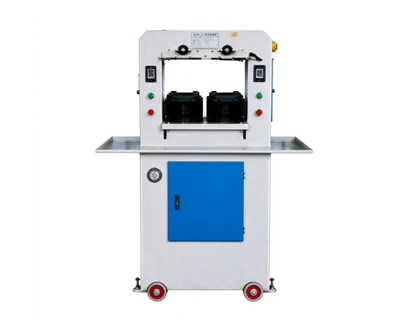
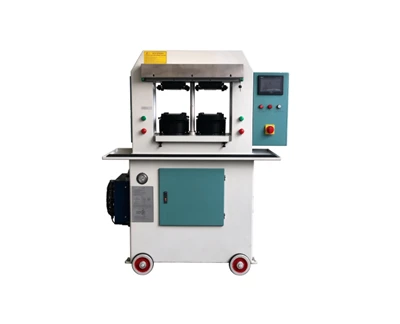
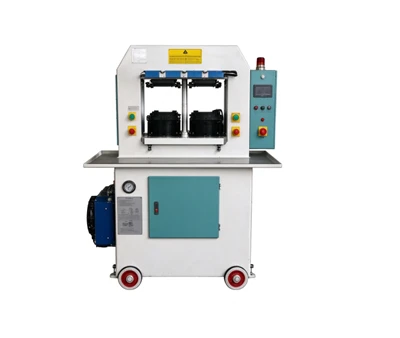
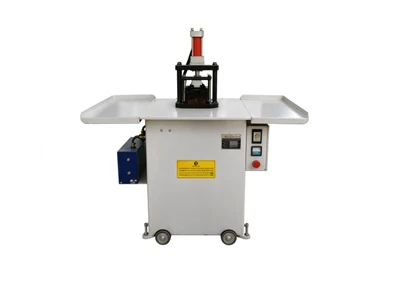
A platen sole press machine presses rubber or EVA soles against the shoe upper after cementing and assembling. It uses hydraulic drive, automatic balance, and electronic control to deliver the pressure needed for a solid bond. While the machine's function can be described in one sentence, its impact on a shoe factory's operation is broad. It affects bond strength, production speed, labor requirements, energy consumption, and the consistency of the finished shoe. For factories producing footwear at volume, these effects compound across every shift and every order.
This article examines the specific benefits that platen sole press machines deliver to shoe factories, organized by the areas where the impact is most measurable.
1. Solid Adherence and Bonding Together
The primary benefit of a platen sole press machine is solid adherence between the sole and the upper. After the sole is cemented and assembled with spare parts or outsole, the adhesive must be pressed firmly to form a complete bond across the entire sole surface.
The machine applies hydraulic pressure to press the sole firmly against the upper. The high pressure forces the adhesive into full contact with both surfaces, eliminating air gaps and weak spots. The result is a bond that holds through the stresses of walking, flexing, and wear.
Without adequate pressing, the adhesive may not reach full contact with the sole and upper surfaces. The bond may hold initially but fail later during wear, causing the sole to separate from the upper. For factories producing footwear at volume, even a small percentage of bond failures translates into customer returns, warranty claims, and reputational damage. The platen sole press machine reduces this risk by ensuring the bond forms completely.
2. Consistent Results Across Every Pair
The machine's hydraulic drive, automatic balance, and electronic control system deliver consistent pressing conditions for every pair.
Automatic balance keeps the pressing force even across the sole surface. This prevents uneven pressure that could cause weak spots in the bond.
Pressure balance cycling distributes the pressing force evenly across the sole, so the adhesive bonds completely across the entire surface rather than only in the areas of highest pressure.
Electronic control manages the pressure and timing, so the same conditions are applied to every pair regardless of operator or shift.
The result is consistent bond quality across the production batch. Consistency matters most for factories supplying brand customers, where quality standards are enforced through incoming inspection. A batch with inconsistent bond strength may be rejected or require rework, adding cost and delay.

3. Fast Pressing with High Speed and High Efficiency
The machine delivers high pressure, high speed, and high efficiency. The hydraulic drive moves the pressing platen quickly, and the automatic balance ensures the pressure is applied evenly without requiring manual adjustment.
The machine's pressing cycle is fast, which allows it to keep pace with the production line. With a capacity of 2000–2500 pairs per hour, the machine supports high-volume production lines without becoming a bottleneck.
Fast pressing also reduces the work-in-progress inventory on the factory floor. Instead of accumulating shoes in a pressing area waiting for the bond to set, the factory can move shoes directly from the assembly station through the platen sole press machine and on to the next stage.
4. Adjustable Pressure and Pressing Time
Pressure and pressing time are adjustable. This gives the operator control over the pressing conditions to match different sole materials and bonding requirements.
Rubber soles may require a different pressure and time than EVA soles, because the materials have different hardness and compressibility.
Composite assemblies with spare parts or outsole may require longer pressing times than single-component soles, because the adhesive must bond through multiple layers.
Different adhesive types may require different pressing times to reach full bond strength.
The adjustability allows one machine to handle a range of sole materials and assembly types without mechanical changeover. The operator simply adjusts the pressure and time settings for each production run.
5. Lower Labor Cost per Pair
Uncontrolled or manual pressing requires skilled operators who can judge the correct pressure and timing. The work is physically demanding, and the skill required to produce consistent results takes time to develop.
The platen sole press machine automates the pressing process. The hydraulic drive applies the pressure, the automatic balance keeps it even, and the electronic control manages the timing. The operator's role is limited to loading and unloading, which requires less training and less physical effort.
The machine also reduces the number of operators required for a given production volume. One operator can manage a machine that processes 2000–2500 pairs per hour. Manual pressing at the same volume would require significantly more labor.
6. Reduced Defects and Customer Returns
Bond failure is one of the most serious defects in footwear manufacturing. A shoe with a weak bond may pass visual inspection but fail during wear, leading to customer complaints, returns, and damage to the factory's reputation.
The platen sole press machine reduces bond failure by ensuring the adhesive bonds completely across the sole surface. The automatic balance and pressure balance cycling eliminate the uneven pressure that causes weak spots. The electronic control ensures the same conditions are applied to every pair.
The result is fewer defects, fewer returns, and lower warranty costs. For factories supplying brand customers, the reduction in defects also reduces the risk of chargebacks and order cancellations.
7. Energy Efficiency and Lower Operating Cost
The machine uses a 1.50KW motor, which is relatively low for a machine of this capacity. The hydraulic drive delivers high pressure efficiently, and the electronic control system manages the pressing cycle to avoid unnecessary energy use.
The machine's high efficiency-2000–2500 pairs per hour-means that the energy cost per pair is low. Over a year of production, the machine's energy efficiency contributes to a lower operating cost per pair, improving the factory's margins.
8. Improved Working Conditions
Manual pressing is physically demanding. The operator must apply force repeatedly to press the sole against the upper, often in awkward positions. Over time, this leads to fatigue and, in some cases, repetitive strain injuries.
The platen sole press machine removes the physical demands of manual pressing. The operator loads and unloads the shoe, and the machine applies the pressure. This reduces fatigue, lowers the risk of injury, and makes the workstation more comfortable.
The machine also reduces noise compared to some manual pressing methods, contributing to a better working environment.
9. Flexibility Across Sole Materials
The machine applies to press for rubber or EVA sole after cementing and assembling with spare parts or outsole. Both rubber and EVA are common sole materials in footwear manufacturing, and the machine handles both.
Because the pressure and pressing time are adjustable, the machine can also handle composite soles and soles assembled with spare parts. This flexibility means the factory does not need separate machines for different sole materials, reducing capital investment and floor space requirements.
10. Scalability for Growing Factories
For factories that are growing, the platen sole press machine offers a path to scale production without proportionally increasing labor. A single machine can handle the pressing needs of a production line, and additional machines can be added as production volume increases.
The machine's consistent output also makes it easier to plan production and estimate capacity. The factory knows that each machine will process 2000–2500 pairs per hour, which simplifies scheduling and delivery commitments.
11. Support for Quality Standards
For factories supplying brand customers or producing safety footwear, the sole bond must meet specific quality standards. The platen sole press machine's consistent pressure and timing help the factory meet these standards.
The machine's ability to deliver solid adherence across the entire sole surface supports the bond strength requirements of the footwear. This is particularly important for safety footwear, where bond failure could compromise the protective performance of the shoe.
12. Compact Design
The machine's dimensions-750 × 720 × 1750mm-are relatively compact for a machine of this capacity. This allows the machine to be installed in production lines without requiring a large floor area. The compact design also supports scalability, as multiple machines can be placed in the same production area if needed.
Summary
| Benefit | Impact |
|---|---|
| Solid adherence and bonding | Hydraulic pressure forces adhesive into full contact; reduces sole separation |
| Consistent results | Automatic balance and electronic control deliver same conditions for every pair |
| Fast pressing | High pressure, high speed, high efficiency; 2000–2500 pairs/hour |
| Adjustable parameters | Pressure and pressing time adjustable for rubber, EVA, and composite soles |
| Lower labor cost | Automated pressing reduces manual handling per pair |
| Reduced defects | Fewer bond failures, fewer returns, lower warranty costs |
| Energy efficiency | 1.50KW motor; low energy cost per pair |
| Improved working conditions | Reduces physical demands of manual pressing |
| Flexibility | Handles rubber, EVA, and composite sole assemblies |
| Scalability | Supports production growth without proportional labor increase |
| Quality standards support | Helps meet bond strength requirements |
| Compact design | Fits production lines without large floor area |
For shoe factories producing footwear at volume, the platen sole press machine is not simply a faster way to press soles. It is a production tool that improves bond strength, reduces defects, and makes the manufacturing process more consistent and controllable. The benefits compound across every shift, making the machine a key investment for factories that compete on quality, delivery, and cost.
The machine also supports the factory's ability to meet the requirements of brand customers and safety standards, which are increasingly demanding in the global footwear market. By delivering consistent, solid sole bonding, the platen sole press machine helps the factory maintain its reputation for quality and its access to premium customers.