Advantages of Toe Forming Machine
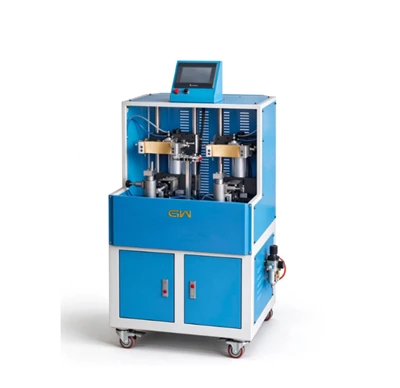
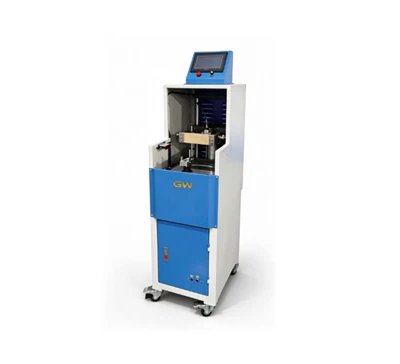
A toe forming machine pre-forms the toe area of a shoe upper before lasting. It shapes the toe puff, lining, and upper material into a three-dimensional form that matches the toe of the shoe last. While the machine's function can be described in one sentence, its impact on a shoe factory's operation is broad. It affects product quality, production speed, labor requirements, material utilization, and the consistency of the finished shoe. For factories producing footwear at volume, these effects compound across every shift and every order.
This article examines the specific advantages that toe forming machines deliver to shoe factories, organized by the areas where the impact is most measurable.

1. Consistent Toe Shape Across Every Pair
The most fundamental advantage is consistency. Manual toe forming depends on the skill and attention of the operator. Even experienced workers produce variation across a shift-the first pair of the day may be formed differently than the hundredth pair, and two operators on the same line may produce slightly different results. These variations may be small, but they accumulate into measurable differences in fit, appearance, and structural integrity.
A toe forming machine eliminates this variability. The machine applies the same temperature, pressure, and forming time to every upper, cycle after cycle. The result is a toe area that is shaped identically across the production batch, regardless of operator fatigue or shift changes.
This consistency matters most for factories supplying brand customers, where quality standards are enforced through incoming inspection. A batch with visible toe shape variation may be rejected or require rework, adding cost and delay. Consistent toe shape quality reduces the risk of rejection and the cost of rework.
2. Improved Bonding Between Upper, Lining, and Toe Puff
The toe area of a shoe typically consists of multiple layers: the upper material, the lining, and the toe puff or toe cap. These layers must be bonded closely together to prevent separation during wear. If the layers are not properly bonded, the toe area may delaminate, causing the shoe to lose its shape and the toe protection to fail.
The toe forming machine improves bonding by pressing the layers together under heat and pressure during the forming process. The hot forming stage softens the material and allows the layers to conform to each other. The cold setting stage holds the layers in place while the adhesive sets, ensuring a close bond.
This advantage is particularly important for safety shoes, where the toe cap must remain securely bonded to the upper to provide the required impact protection. A poorly bonded toe cap can shift or separate, compromising the protective performance of the footwear.
3. Reduced Wrinkles, Deformation, and Bubbling
Toe areas that are not formed correctly develop wrinkles, creases, and bubbling. These defects affect both appearance and durability. Wrinkles in the toe area may not be immediately visible, but they become apparent when the shoe is worn and the upper flexes. Bubbling indicates that the layers of the toe area are not bonded closely together, which can lead to separation during wear.
The toe forming machine eliminates these defects by shaping the material against the last under controlled heat and pressure. The result is a toe area that is smooth, free of wrinkles, and structurally sound.
This advantage is particularly important for shoes with visible toe areas, such as women's pumps and dress shoes, where the toe appearance directly affects the perceived quality of the finished product.
4. Easier Lasting Operation
Pre-forming the toe before lasting makes the lasting operation easier. The operator works with a pre-formed toe rather than a flat one, which reduces the skill required for the operation and shortens the time needed per pair.
When the toe is pre-formed, the upper arrives at the lasting station already conforming to the toe shape. The operator does not need to stretch the material over the last or work out wrinkles by hand. This reduces the physical effort required and allows the operator to focus on other aspects of the lasting operation.
The result is higher productivity at the lasting station and more consistent results across the production batch.
5. Higher Production Throughput
Manual toe forming is slow. The operator must position the upper, apply heat, shape the material by hand, and wait for the shape to set. Each pair requires several minutes of active work, and the operator's speed limits the line's throughput.
A toe forming machine processes multiple pairs per cycle, depending on the station configuration. Single-station machines process one pair at a time, dual-station machines process one pair but overlap the hot and cold stages, and four-hot four-cold machines process four pairs at a time through each stage.
For a factory producing thousands of pairs per shift, the toe forming machine keeps pace with the line without becoming a bottleneck. The two-hot two-cold configuration, for example, processes 2,800–3,000 pairs per 8-hour shift, which is sufficient for many medium to high-volume production lines.
6. Lower Labor Cost per Pair
Manual toe forming requires skilled operators. The work is physically demanding, and the skill required to produce consistent results takes time to develop. Factories that rely on manual forming face higher labor costs, longer training times, and greater exposure to labor turnover.
A toe forming machine reduces the labor content per pair. The operator's role shifts from skilled forming to loading and unloading, which requires less training and less physical effort. One operator can manage a machine that produces the output of several manual workers.
The machine also reduces the number of operators required for a given production volume. A two-hot two-cold machine produces 2,800–3,000 pairs per shift with one or two operators. Manual forming at the same volume would require significantly more labor.
7. Better Material Utilization
Toe forming machines reduce material waste in two ways. First, the consistent forming process reduces the number of uppers that are rejected due to toe defects. Every upper that is formed correctly the first time contributes to finished goods output rather than becoming scrap.
Second, the machine allows the use of lighter or thinner toe puff materials. Because the machine forms the toe with controlled heat and pressure, the toe puff does not need to be as thick or stiff to hold its shape. This reduces material cost per pair without compromising the structural integrity of the toe area.
8. Energy Efficiency and Lower Operating Cost
Modern toe forming machines include energy-saving features that reduce operating costs.
Auto-sleep under standby mode. When the machine is not in active production, it enters a low-power sleep mode. This reduces electricity consumption during idle periods, which is particularly valuable in factories that run multiple shifts with breaks between them.
Steam-assisted heating. Steam transfers heat more efficiently than dry heating, reducing the energy required to bring the material to forming temperature.
Efficient cooling system. Non-frozen liquid circulation cooling or convection air cooling reduces the energy required to maintain the cold setting temperature.
Over a year of production, these energy-saving features can reduce the machine's operating cost by a measurable margin, improving the return on the equipment investment.
9. Flexibility Across Shoe Types and Materials
A toe forming machine with adjustable parameters can process a range of shoe types and materials without mechanical changeover. Temperature, pressure, and forming time are adjustable, allowing the operator to set the correct values for each new shoe style.
The machine is suitable for all kinds of material and all kinds of men's, women's, children's shoes, riding boots, and similar footwear. This flexibility matters for factories that produce multiple styles on the same line. Instead of dedicating a separate machine to each shoe type, the factory can use one toe forming machine for all of them, adjusting the parameters as needed. This reduces capital investment and floor space requirements.
10. Improved Working Conditions
Manual toe forming is physically demanding. The operator must apply force repeatedly to shape the upper, often in awkward positions. Over time, this leads to fatigue and, in some cases, repetitive strain injuries. The work also exposes the operator to heat from the forming process.
A toe forming machine removes the physical demands of manual forming. The operator loads and unloads the upper, and the machine applies the heat and pressure. This reduces fatigue, lowers the risk of injury, and makes the workstation more comfortable. The result is a safer, more sustainable working environment.
11. Scalability for Growing Factories
For factories that are growing, the toe forming machine offers a path to scale production without proportionally increasing labor. A single machine can handle the output of several manual forming stations, and additional machines can be added as production volume increases.
The machine's consistent output also makes it easier to plan production and estimate capacity. The factory knows that each machine will produce a predictable number of pairs per shift, which simplifies scheduling and delivery commitments.
12. Support for Safety Footwear Requirements
In safety footwear, the toe area must accommodate a steel or composite toe cap that provides impact and compression protection. The toe forming machine prepares the upper to receive the toe cap, ensuring that the cap seats correctly and remains securely bonded.
The machine's ability to form the toe area consistently means that the toe cap fits correctly in every pair. This supports the overall protective performance of the safety shoe and helps the factory meet the requirements of safety standards such as EN ISO 20345, CSA, and ANSI Z41.
Summary
| Advantage | Impact |
|---|---|
| Consistent toe shape | Same toe form across every pair; reduces rejection and rework |
| Improved bonding | Upper, lining, and toe puff bonded closely; prevents delamination |
| Reduced defects | Eliminates wrinkles, deformation, and bubbling |
| Easier lasting | Pre-formed toe reduces skill required and time per pair |
| Higher throughput | 2,800–3,000 pairs/8hrs with two-hot two-cold configuration |
| Lower labor cost | Reduces labor content per pair; less training required |
| Better material utilization | Fewer rejected uppers; allows lighter toe puff materials |
| Energy efficiency | Auto-sleep, steam heating, efficient cooling |
| Flexibility | Adjustable parameters for different shoe types and materials |
| Improved working conditions | Removes physical demands of manual forming |
| Scalability | Supports production growth without proportional labor increase |
| Safety footwear support | Prepares upper for toe cap; supports protective performance |
For shoe factories producing footwear at volume, the toe forming machine is not simply a faster way to shape the toe area. It is a production tool that improves quality, reduces cost, and makes the manufacturing process more consistent and controllable. The advantages compound across every shift, making the machine a key investment for factories that compete on quality, delivery, and cost.