How To Choose The Right Shoe Cooling Setting Machine For Your Footwear Factory
Introduction
Shoe cooling setting is one of the critical stations in the shoe assembly line. After heat forming and sole pressing, shoes still retain residual heat. If you pull out the shoe last without proper cooling, the shoe upper will easily rebound, wrinkle or deform, resulting in high defect rates and inconsistent shoe shapes. A high-efficiency intelligent cooling setting machine solves this problem by rapidly and evenly lowering shoe temperature to lock the shoe contour.

What Is Shoe Cooling Setting Machine & Working Principle
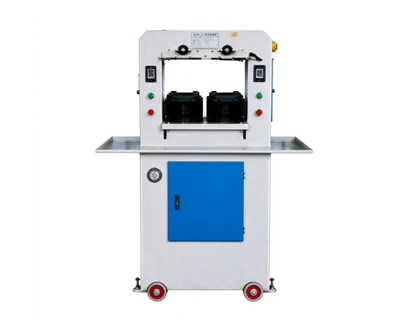
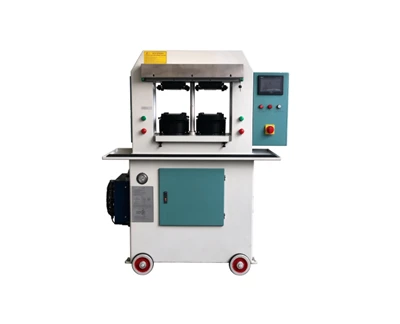
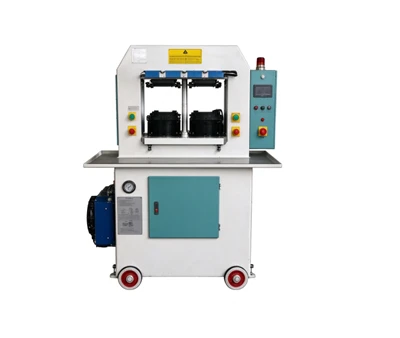
The cooling setting machine is installed after the last-pulling station. It uses enclosed circulating cold air to cool shoes from inside and outside. Traditional cooling equipment only cools the surface of shoes, while advanced models like GW-992 adopt return-type cold air circulation. Cold air circulates inside the tunnel without leakage. It brings the temperature of the shoe interior and the bottom of the shoe last down to 30℃–35℃. At this temperature, the adhesive and upper material are fully stabilized, so the shoe keeps its shape permanently and won't deform after long storage.
The Difference Between Traditional Cooling Tunnel & Intelligent Cooling Setting Machine
| Item | Traditional Cooling Machine | High Efficiency Intelligent Cooling Setting Machine (GW-992) |
|---|---|---|
| Cooling Effect | Only surface cooling, cooling time 3–6 minutes, uneven temperature | Full inside & outside cooling, shoe temp reaches 30~35℃, stable shaping |
| Air circulation | Open air design, cold air escapes, high power consumption | Return closed cold air circulation, no leakage, energy saving |
| Machine length | Long body, occupy large workshop area | Compact 4m length, save factory space |
| Final Quality | Shoes easy to rebound and deform after production | Permanent shaping, low defect rate |
Key Factors To Evaluate Before Buying
Cooling uniformity & target temperature The core index is whether the machine can cool shoes to 30–35℃ both inside and outside. Surface cooling only gives temporary shaping effect. Poor internal cooling leads to shape rebound after several days.
Machine length & workshop layout Many shoe factories face limited workshop space. Compact 4-meter design of GW-992 fits most standard assembly lines. Confirm your factory's available floor space before purchase.
Cold air circulation structure Open-style tunnels waste energy and cause temperature fluctuation. Closed return cold air circulation reduces power cost and keeps consistent cooling effect batch by batch.
Power consumption & continuous running stability For mass production, the machine needs to run for long shifts. Reliable refrigeration system ensures stable performance and low maintenance cost.
Suitable Shoe Types
This cooling setting machine works well for sports shoes, casual shoes, leather shoes, fashion sneakers. It is widely used in medium and large footwear production lines.
Common Mistakes When Purchasing
Only focus on machine price, ignore internal cooling effect. Cheap tunnels often only cool shoe surface.
Neglect workshop size and buy an overlong machine that cannot fit your production line.
Ignore air leakage: cold air leakage increases electricity bills and unstable shaping result.
Overlook after-sales service and spare parts supply, which may cause long downtime.

Maintenance Tips
Clean the air filter regularly to guarantee smooth cold air circulation.
Check the conveyor belt and control panel every week.
Keep the machine room ventilated, avoid high ambient temperature affecting refrigeration efficiency.
Do regular inspection for refrigeration system to prevent unexpected shutdown.
Conclusion
Cooling shaping directly affects finished shoe quality and reject rate. Investing in an intelligent closed circulation cooling machine reduces waste, improves product consistency and saves workshop space. GW-992 high efficiency intelligent cooling setting machine provides full inside-outside cooling with energy-saving air circulation, which is a cost-effective upgrade for modern shoe factories.