Introduction
The heel counter is the hidden backbone of every well-made shoe. It is the stiff support material inside the heel area of the upper, and its job is to hold the wearer's foot in position, maintain the shape of the shoe, and prevent the back part from collapsing or twisting during wear. Whether a shoe looks elegant and holds its outline for years, or quickly loses its form and starts rubbing blisters on the wearer, depends to a large extent on how well the heel counter is formed and set.
For shoe manufacturers, the heel counter setting process directly influences three things: product quality, reject rate, and overall production efficiency. A heel counter that is not set properly will wrinkle, separate from the upper lining, or return to its original flat shape after cooling, all of which leads to rework or scrapped shoes. This is why heel counter forming machines have become a standard piece of equipment in modern shoe factories producing casual shoes, sneakers, and leather footwear.
In this guide, we will look at what a heel counter setting machine does, the key technology behind it, the main types available, the factors you should evaluate before buying, common mistakes buyers make, and practical maintenance advice.
What Is A Heel Counter Setting Machine
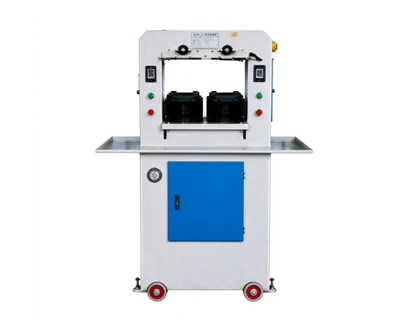
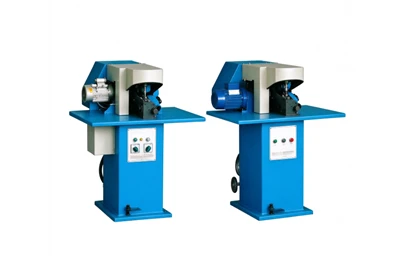
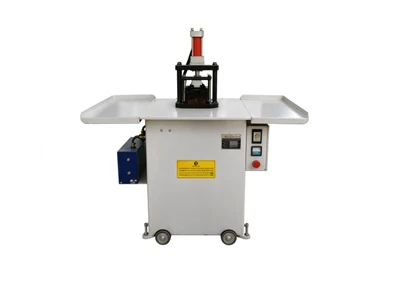
A heel counter setting machine, also known as a back part forming machine or heel molding machine, is specialized equipment used to preheat and shape the heel counter into the curved contour of the shoe last. During production, the shoe upper is pulled over the last, and the stiff heel counter material needs to be softened by heat, pressed into the correct three-dimensional shape against the last, and then quickly cooled so that it locks in that shape permanently.
The machine achieves this through a combination of heat and pressure. The hot mold softens the counter material and activates any glue between the upper, the counter, and the lining, allowing them to bond together into one smooth, wrinkle-free unit. The cold mold then rapidly drops the temperature, freezing the shape in place so it does not rebound.
The result is a perfectly formed heel area that fits the shoe last precisely, holds its outline after repeated wear, and gives the finished shoe a professional, consistent look.
The Core Technology: Hot And Cold Forming
The reason the industry uses both hot and cold stations is simple. Heat makes the material flexible and bonds the layers together, while cold locks in the achieved shape. If you only heat and press, the material will slowly return to its original flat state as it cools naturally. The cold station prevents this by setting the shape immediately.
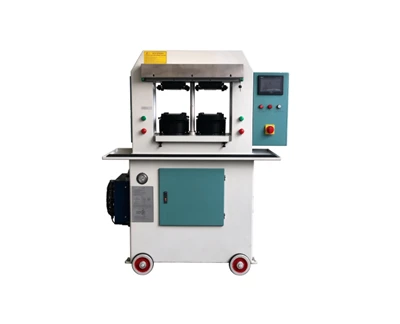
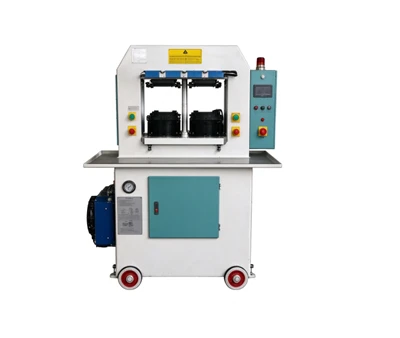
Modern heel setting machines typically combine several hot and cold stations in one unit. A double cold double hot machine offers two hot molds and two cold molds, allowing operators to work on multiple shoes at once and keep the production line moving smoothly. A four cold four hot machine doubles this capacity for factories with higher daily output.
The heating system is controlled by independent temperature regulators. Different materials, such as leather, mesh, hot-melt sheets, and various synthetic fabrics, respond to heat differently. Being able to adjust the hot mold temperature independently for each application is essential to avoid burning the upper or, on the other hand, failing to activate the adhesive properly.

The Role Of The Airbag Mold
One of the most important innovations in modern heel setting machines is the airbag outer mold. In traditional designs, factories had to order a custom outer mold for every shoe style, which was expensive and slow. With an airbag system, the outer mold uses a pressurized air pocket that can conform to different shoe lasts, eliminating the need for custom outer molds.
The operator only needs a custom inner mold, which is matched to the exact shoe last. The airbag fills with air to press the heel counter against the inner mold, and when it deflates, a vacuum contraction device pulls the airbag back, preserving maximum working space and preventing unnecessary friction against the shoe. This design reduces tooling cost, speeds up style changes, and makes the machine much more flexible for factories that produce many different models.
Types Of Heel Counter Setting Machines
Double Cold Double Hot Machines
These machines feature two hot and two cold stations in a horizontal configuration. They are the most common choice for medium-sized factories and offer a good balance between capacity and cost. A typical model runs about 1800 to 2000 pairs per eight-hour shift. The compact footprint fits well into most production lines, and the sloped design of the working platform makes operation convenient for workers.
Four Cold Four Hot Machines
For factories with higher output, four cold four hot machines provide roughly double the capacity, reaching around 2000 to 3000 pairs per shift. These larger units are built for sustained, high-volume production and are a good upgrade path when a factory grows.
Other Configurations
Some machines are specialized for particular applications, such as those with LED projection lamps for accurate positioning, or models with re-shaping capability that can re-form defective heels to eliminate wrinkles and improve the appearance of the shoe opening.
Key Factors To Evaluate Before Buying
1. Temperature Control
The most critical feature is the ability to adjust hot and cold mold temperatures independently. Since different upper materials and counter materials require different processing temperatures, separate control allows you to fine-tune the process for each material. Good temperature control protects the upper from burning while ensuring the adhesive activates fully and the counter forms correctly.
2. Cooling Performance
The quality and speed of the cooling system directly affect whether the heel shape stays locked in. Independent, environmentally friendly refrigeration units are more efficient and cool faster. High-quality systems can bring the evaporator temperature down to minus 20 degrees Celsius within ten minutes of operation. Fast cooling prevents the material from rebounding after shaping, which is the main cause of poor shaping results in cheaper machines.
3. Mold Flexibility
Consider whether the machine uses an airbag outer mold system, which eliminates custom outer mold costs. Also check how quickly the inner molds can be changed. Machines that fix the lower mold with a single screw, for example, allow rapid mold changeover, boosting productivity and lowering mold-making costs.
4. Fixture Adjustability
Adjustable fixtures support multiple shoe styles and sizes. Some machines allow the fixture stroke to be adjusted or even disengaged entirely, giving operators flexibility across different shoe types. This is particularly important for factories that produce a wide variety of footwear.
5. Production Capacity
Match the machine's output to your daily production target. If your factory produces around 1800 to 2000 pairs per day, a double cold double hot machine is appropriate. If your volume is higher, consider a four cold four hot model. Buying a machine with excess capacity wastes capital, while one that is too slow creates a production bottleneck.
6. Control System
Modern machines offer PLC-based programming control. PLC systems allow precise control of the airbag inflation and deflation sequence, temperature, and timing, resulting in consistent, repeatable shaping. They also make the machine easier to maintain and reduce the failure rate.
7. Ergonomics And Operation
A sloped machine platform and well-positioned controls reduce worker fatigue and improve operating efficiency. Features such as LED projection lamps for positioning the upper correctly, and cold molds that tilt toward the operator, make the shaping process easier and more accurate.
Common Mistakes Buyers Make
Comparing Price While Ignoring Refrigeration Quality
Many buyers focus only on the price and overlook the cooling system. A machine with a weak refrigeration unit will produce heels that rebound after shaping, leading to poor quality and high reject rates. The refrigeration system is not an accessory; it is central to the machine's performance.
Buying Fixed Molds Without Confirming The Shoe Last Data
Ordering custom inner molds without providing accurate shoe last dimensions is a common and costly mistake. If the mold does not match the shoe last, the shaping effect will be poor no matter how good the machine is. Always supply precise last data to the mold supplier.
Ignoring Operational Convenience
A machine that is difficult to operate will reduce efficiency and increase the chance of error. Look for ergonomic designs, easy mold changeover, and clear controls. These small details make a significant difference on a busy production floor.
Underestimating After-Sales Support
Shoe factories depend on continuous production. A reliable supplier with local support, spare parts availability, and responsive technical service is worth more than a slightly cheaper machine. Check the supplier's reputation and service network before committing.
Maintenance Tips
Regular maintenance keeps a heel setting machine running reliably and extends its service life.
Clean the refrigeration system regularly. Dust and debris reduce cooling efficiency and can cause the system to overwork or fail. Keep the condenser and evaporator clean.
Check the airbag and vacuum system. Inspect airbags for wear or leakage, and verify that the vacuum contraction device works correctly so the airbag deflates and retracts properly.
Inspect fixture stroke and temperature sensors weekly. Accurate sensing is essential for consistent shaping. Replace worn sensors promptly.
Lubricate moving parts. Keep all moving components properly lubricated to reduce friction and wear.
Follow the manufacturer's maintenance schedule. Use genuine spare parts and certified technicians for repairs to avoid voiding warranties.
Conclusion
The heel counter setting machine is a vital investment for any shoe factory that wants to produce consistent, high-quality footwear while keeping costs under control. By understanding how the hot and cold forming process works, the advantages of airbag mold systems, and the key factors that separate a good machine from a poor one, you can make a more informed purchasing decision.
Prioritize independent, high-performance refrigeration, flexible temperature control, airbag mold flexibility, and adjustable fixtures. Match the machine's capacity to your production volume, and choose a supplier with solid after-sales support. With the right machine and proper maintenance, your factory will produce heels that hold their shape, reduce defective products, and improve overall production efficiency.
If you are planning to upgrade your heel forming line, compare models based on these criteria rather than price alone, and always test the machine with your actual materials before making a final decision.