Spiral Freeze Setting Machine: Shoemaking Basics
Heat setting is a critical step in footwear manufacturing that stabilizes the shoe shape and sets the materials after lasting or bonding. The machine that performs this operation in a compact, continuous format is the spiral freeze setting machine. It uses a screw-type rotating design to move shoes through a long, closed heating chamber, applying even heat to every side before cooling them with an air cold system.
This article covers the basics of the spiral freeze setting machine: what it does, why it matters, how it works, the key design features, and what to consider when selecting one for a shoe factory.
What Is a Spiral Freeze Setting Machine
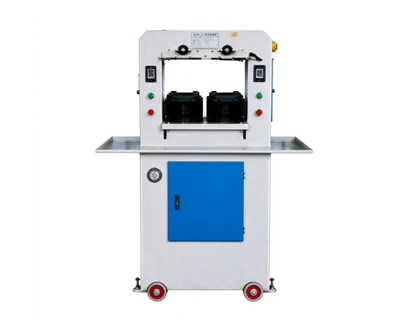
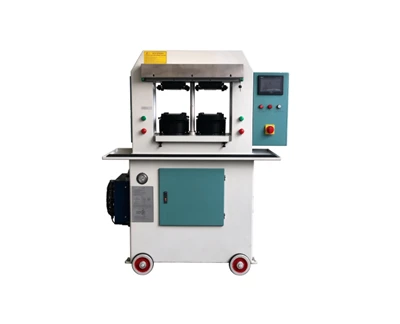
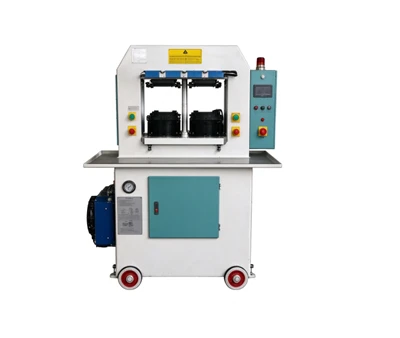
A spiral freeze setting machine is a piece of footwear manufacturing equipment that heat sets shoes using a screw-type rotating design. The machine moves shoes through a closed heating chamber that can reach up to 5 meters long, applying even temperature to set the shape and stabilize the materials. After heating, the shoes pass through an air cold cooling system that sets the shape.
The machine is used in the production of men's shoes, women's shoes, children's shoes, boots, and other footwear types where the shoe shape must be stabilized after lasting or bonding. It is a standard piece of equipment in footwear production lines that require heat setting as part of the manufacturing process.

Why Heat Setting Matters in Shoemaking
Heat setting serves several important functions in footwear manufacturing.
Shape stabilization. After lasting, the upper has been stretched over the last and secured. Heat setting relaxes the material and sets it in the lasted shape, so the shoe retains its form after the last is removed. Without heat setting, the upper may relax and lose the shape imparted during lasting.
Material conditioning. Heat setting conditions the leather or synthetic upper, making it more supple and comfortable. The heat relaxes the fibers and allows the material to settle into its final form.
Adhesive setting. For shoes that have been bonded, heat setting can help the adhesive reach its final strength. The controlled heat and subsequent cooling complete the bonding process.
Stress relief. Lasting and bonding introduce stresses into the shoe materials. Heat setting relieves these stresses, reducing the risk of distortion or cracking during wear.
Consistency. Heat setting delivered by a machine is consistent across every pair, unlike manual methods that depend on operator skill and attention. The result is a production batch where every shoe has the same shape and material condition.
The Working Principle of a Spiral Freeze Setting Machine
The spiral freeze setting machine operates on a simple principle: move the shoes through a heated chamber for a controlled time, then cool them to set the shape. The spiral design allows a long heating path within a compact footprint.
The process typically follows this sequence:
Loading. The shoes are placed on trays at the machine inlet. The trays are carried by a 304 stainless steel chain and tray holder seat, designed to withstand the high temperatures of the heating chamber.
Heating. The trays move through the closed heating chamber, which can reach 5 meters long. The screw-type rotating design moves the trays in a spiral path through the chamber, ensuring that every side of the shoe is exposed to the same temperature. The even temperature effectively improves the heat setting effect and quality.
Cooling. After heating, the shoes pass through an air cold cooling system that reduces their temperature and sets the shape. The cooling system completes the setting process, stabilizing the shoe form.
Unloading. The cooled shoes exit the machine and move to the next production stage.
The Screw-Type Rotating Design
The screw-type rotating design is the defining feature of the spiral freeze setting machine. It offers several advantages over straight-through conveyor designs.
Long heating path in a compact footprint. A straight-through conveyor would need to be 5 meters long to provide the same heating time. The spiral design wraps the heating path into a compact space, reducing the machine's floor space requirement while maintaining the heating time.
Even temperature exposure. As the trays rotate through the spiral path, every side of the shoe is exposed to the same temperature. This eliminates the temperature variations that can occur in straight-through designs, where shoes near the chamber walls may be hotter or cooler than shoes in the center.
Smooth and stable movement. The screw-type rotating design moves the trays smoothly and stably through the chamber. The machine is equipped with a 304 stainless steel chain and tray holder seat, and high temperature resistant plastic trays, to ensure the machine runs more stably and smoothly.
Continuous operation. The spiral design allows continuous loading and unloading, so the machine can operate without interruption through the production shift.
The Closed Heating Chamber
The closed heating chamber is another key feature of the spiral freeze setting machine. The chamber can reach 5 meters long and is closed to prevent heat from escaping.
Even temperature. The closed chamber maintains stable temperature throughout, so every shoe receives the same heat treatment. This even temperature effectively improves the heat setting effect and quality.
Lower energy consumption. Because the chamber is closed and the heat is contained, machine energy consumption compared with traditional type heat setter is lower. The heat is not lost to the surrounding workshop, so less energy is required to maintain the setting temperature.
Consistent results. The closed chamber protects the shoes from drafts, ambient temperature variations, and other factors that could affect the heat setting result. The result is consistent quality across the production batch.
The Computer Control System
The spiral freeze setting machine is equipped with a computer control system that makes it easy to set and operate.
| Control Feature | Function |
|---|---|
| Temperature adjustment | Adjustable directly from the computer to suit different shoe materials |
| Speed adjustment | Adjustable directly from the computer to control the heating time |
| Data storage | Records operating parameters for different shoe styles |
| Running auto-detecting | Monitors machine status and helps identify issues before they cause stoppages |
| Easy operation | Intuitive controls that reduce training time for new operators |
The computer control system allows the operator to set the temperature and speed for each shoe style and save the settings for future production runs. This simplifies changeover between styles and ensures consistent results across production batches.
The data storage function also supports production management. By recording the operating parameters and production data, the machine provides a record that can be used for quality control, traceability, and process improvement.
The Air Cold Cooling System
After the heating stage, the shoes pass through an air cold cooling system. The cooling system reduces the temperature of the shoes and sets the shape.
Air cold cooling uses air as the cooling medium. Air is cooled and circulated through the cooling section, removing heat from the shoes. Air cold systems are simple, reliable, and have lower maintenance requirements than liquid-based systems.
Setting the shape. The cooling stage completes the heat setting process by stabilizing the shoe form. As the shoe cools, the material sets in the shape imparted during heating, and the adhesive (if present) reaches its final strength.
Consistent cooling. The air cold cooling system delivers consistent cooling for every pair, ensuring that the setting result is uniform across the production batch.
Key Components
A spiral freeze setting machine consists of several key components that work together to deliver the heat setting operation:
| Component | Function |
|---|---|
| Screw-type rotating mechanism | Moves trays through the heating chamber in a spiral path |
| Closed heating chamber | Contains the heat and maintains even temperature |
| 304 stainless steel chain | Carries the trays through the chamber; resists heat and corrosion |
| Tray holder seat | Holds the trays in position on the chain |
| High temperature resistant plastic trays | Hold the shoes during heating; withstand chamber temperatures |
| Air cold cooling system | Cools the shoes after heating to set the shape |
| Computer control system | Manages temperature, speed, data storage, and auto-detecting |
Production Capacity
The output of a spiral freeze setting machine depends on the heating time required for the shoe type, the length of the heating chamber, and the speed at which the trays move through the machine.
A typical spiral freeze setting machine processes approximately 1,200 pairs per 8-hour shift, depending on the shoe type and the required heating time. Machines with longer heating chambers or faster conveyor speeds may process more; machines configured for longer heating times may process less.
The machine's power requirements include a 5kW motor and a 3.7KW compressor, with 380V/60HZ working voltage. These requirements should be verified against the factory's electrical supply before installation.
Applications in Footwear Manufacturing
Spiral freeze setting machines are used wherever shoes require heat setting after lasting or bonding. Common applications include:
Men's shoes - heat setting dress shoes, casual shoes, and work shoes to stabilize the shape.
Women's shoes - setting the shape of pumps, flats, and boots.
Children's shoes - heat setting smaller footwear with the same precision as adult shoes.
Boots - setting the shape of ankle boots, riding boots, and tall boots.
Safety shoes - stabilizing the shape of protective footwear where consistent fit is critical.
In each application, the machine delivers the same benefit: a shoe shape that is stable, consistent, and ready for the next production stage.
What to Consider When Selecting a Spiral Freeze Setting Machine
When selecting a spiral freeze setting machine, several factors affect whether the machine will meet production requirements.
| Factor | What to Consider |
|---|---|
| Capacity | 1,200 pairs/8hrs typical; match to your line speed and heating time |
| Heating chamber length | Up to 5 meters; longer chambers allow longer heating times |
| Temperature range | Verify the machine can reach the temperature required for your shoe materials |
| Speed range | Adjustable to control the heating time |
| Control system | Computer control with data storage and auto-detecting |
| Cooling system | Air cold cooling; verify it delivers consistent setting results |
| Chain and trays | 304 stainless steel chain; high temperature resistant plastic trays |
| Footprint | Machine dimensions must fit your available floor space |
| Utilities | 380V/60HZ power; 5kW motor; 3.7KW compressor |
| Maintenance access | Access to chamber, chain, trays, and cooling system |
Maintenance and Operation
A spiral freeze setting machine requires regular maintenance to deliver consistent results. Key maintenance tasks include:
Cleaning the heating chamber to remove dust and debris that can affect airflow and temperature distribution.
Inspecting the chain and tray holder for wear or damage.
Checking the trays for cracks or deformation that could affect shoe positioning.
Verifying temperature calibration to ensure the actual temperature matches the set value.
Checking the cooling system to verify that it delivers consistent cooling.
Lubricating moving parts according to the manufacturer's schedule.
Operators should be trained on the correct loading procedure, temperature and speed settings for different shoe types, and safe operation of the machine.
Summary
A spiral freeze setting machine is a shoemaking machine that heat sets shoes using a screw-type rotating design and a closed heating chamber. It moves shoes through a long, spiral heating path, applying even temperature to set the shape and stabilize the materials. After heating, an air cold cooling system sets the shape.
The machine is equipped with a computer control system, data storage, and running auto-detecting, making it easy to set and operate. The 304 stainless steel chain and tray holder seat, along with high temperature resistant plastic trays, ensure stable and smooth operation. The closed heating chamber and even temperature distribution reduce energy consumption compared to traditional heat setters.
For footwear manufacturers producing shoes at volume, the spiral freeze setting machine is a key piece of equipment for ensuring consistent shape, material conditioning, and heat setting quality across the production batch. Understanding the basics of the machine-what it does, how it works, and what to consider when selecting one-helps manufacturers make informed decisions about their production equipment and ensures that the heat setting operation supports the quality and throughput goals of the factory.