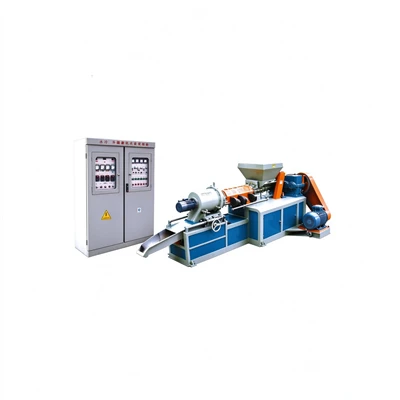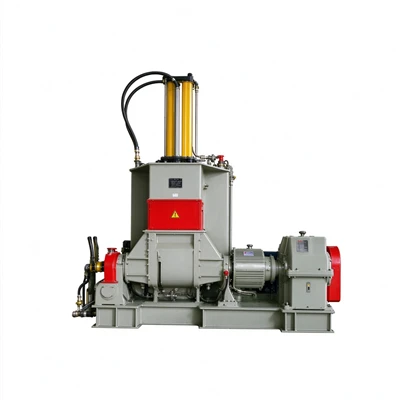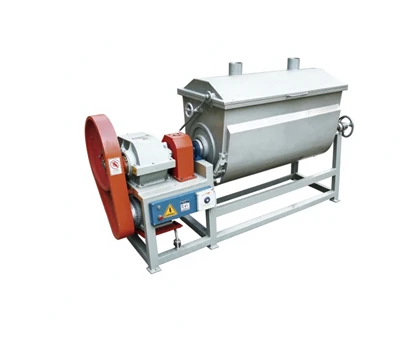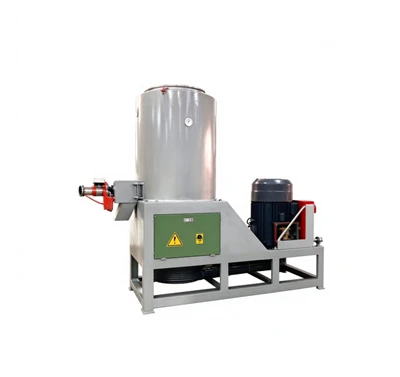
The footwear manufacturing sector cannot operate efficiently without shoe machinery, which serves as the core hardware foundation for modern shoe production. From small family workshops to large automated factories, the configuration and performance of shoe equipment directly determine production capacity, product consistency, finished shoe quality and overall production cost. As global footwear demand evolves, the shoe machinery industry is also undergoing continuous adjustment, shifting from simple mechanical replication toward intelligence, energy saving and customized modular production.
Shoe machinery covers the full production workflow of footwear, which can be divided into four major segments: upper processing, sole manufacturing, assembly and post-processing. The upper workshop relies on cutting machines, splitting machines, sewing machines, hot pressing and thermoforming equipment. These devices handle leather, synthetic leather, mesh fabric and knitted uppers, ensuring precise material cutting and stable stitching. Sole production equipment includes EVA injection machines, rubber vulcanizing presses, PU casting machines and sole grinding machines, catering to different sole materials for sneakers, safety shoes, casual shoes and football boots. The assembly stage is the most critical link, dominated by cementing machines, toe lasting machines, heel lasting machines, side lasting machines and sole pressing machines. This set of equipment shapes the shoe last, bonds upper and sole tightly and guarantees fitting comfort and structural durability. After assembly, finishing machines, cleaning machines, polishing machines and inspection platforms are used for trimming, surface treatment and quality checking before packaging.
The industrial chain of shoe machinery consists of upstream raw material suppliers, equipment manufacturers, downstream shoe factories and global trading channels. Upstream suppliers provide steel, motors, pneumatic components, sensors, hydraulic parts and electronic control modules. The stability and price fluctuation of these spare parts have a direct impact on the delivery cycle and final quotation of shoe machines. The midstream manufacturers are the main players. A large number of manufacturers are concentrated in industrial clusters, represented by Jinjiang in Fujian, China, which is well-known worldwide as a footwear and shoe machinery hub. Most factories offer standard universal machines, while a handful of leading brands develop high-end automatic production lines. Downstream clients are diverse: large brand manufacturers pursue high-speed, stable automated lines to achieve mass production; medium and small factories prefer cost-effective standalone machines with flexible operation; many specialized factories for custom footwear, orthopedic shoes and high-end leather shoes require tailor-made modified equipment.
Regional market demand shows obvious differentiation. Southeast Asia, Vietnam, Indonesia and Cambodia have become major footwear production bases in recent years. Local shoe factories are expanding capacity, replacing old manual equipment and importing mid-range automatic machines. They prioritize stable performance, easy maintenance and affordable spare parts. Europe and the United States retain a small volume of high-end shoe production. Local manufacturers focus heavily on safety standards, low noise, energy consumption control and digital production data collection, so they favor intelligent, certified automated lines. The Middle East, Africa and Latin America are emerging markets. Most local workshops start with basic, low-cost manual-assisted machines and gradually upgrade as orders grow. Turkey, another important shoe production region, has many medium-sized factories with stable demand for cementing, lasting and sole processing equipment.
Competition within the shoe machinery industry is layered. At the low end, many manufacturers produce highly interchangeable standard machines. Competition mainly relies on price, short delivery and quick spare parts supply, with relatively thin profit margins. Mid-range manufacturers balance quality and cost. They optimize mechanical structure, improve motor stability and provide after-sales technical guidance, which is the largest market segment and also the main target for export sales. High-end suppliers develop fully automated assembly lines, robotic shoe making systems and digital production platforms. These integrated solutions can connect production data, monitor machine status and reduce labor dependence, but they require strong research investment and professional after-sales teams. For export-oriented shoe machinery enterprises, after-sales service is a decisive competitive factor. Overseas customers care not only about machine price, but also about timely spare parts delivery, remote troubleshooting and on-site technician support. Long after-sales cycles and inconvenient parts supply will greatly reduce customer willingness to place repeat orders.
In recent years, several clear development trends have reshaped this industry. First, lightweight and energy-saving upgrades. Traditional hydraulic shoe machines consume large amounts of power. New electric servo equipment cuts energy consumption significantly while keeping stable pressure control, which is increasingly popular among factories facing rising electricity costs. Second, intelligence and digitalization. Modern shoe machines are equipped with touch screen control, parameter memory and fault self-alarm functions. Workers can store formulas for different shoe styles, shorten mold switching time and reduce errors caused by manual adjustment. Third, flexible production. Fast fashion and small-batch customized orders are growing rapidly. Factories need equipment that can switch between different shoe sizes and styles quickly. Modular combined machines gradually replace dedicated single-function equipment. Fourth, environmental protection requirements are getting stricter. New solvent-free cementing machines and waste gas collection devices are widely promoted to meet the environmental inspection standards of Europe and many importing countries.
Nevertheless, the industry also faces obvious challenges. Core high-precision control components still partially rely on imported supplies, which brings risks of supply interruption and cost increases. Many small shoe machinery factories lack independent research capacity, mainly copying mature machine structures, and have difficulty developing differentiated products. Meanwhile, the footwear industry itself cycles along with global consumption. When shoe orders shrink, shoe factories delay equipment procurement or postpone upgrades, directly dragging down sales of shoe machinery. In addition, technical threshold barriers exist for overseas markets. Different countries have different electrical standards, safety certifications and voltage requirements, increasing the adaptation cost for export machines.

For shoe machinery exporters, market operation logic is different from finished shoe sales. Buyers are factory owners, production managers and engineering supervisors. They pay close attention to production efficiency, failure rate, spare parts availability and return on investment, rather than appearance alone. Good communication needs to focus on practical indicators: output per hour, failure rate, power consumption, mold compatibility and after-sales arrangement. Many customers will request trial videos, factory reference cases and on-site test runs before formal orders. Long-term cooperation usually develops when the supplier can provide stable machines and continuous technical support.
Looking ahead, the shoe machinery industry will keep evolving together with the global footwear industry. As labor costs rise worldwide, the general direction is automation and unmanned production. At the same time, emerging materials such as 3D printed uppers and new polymer soles will push equipment manufacturers to develop supporting new processing machines. Although market competition will become fiercer, manufacturers that can balance reliable quality, reasonable price and complete localized after-sales support will maintain stable export advantages. The shoe machinery sector is a supporting but indispensable industry. Every pair of finished shoes on the global market relies on this set of industrial equipment behind the production line.