What is a Shoestring Catch in Baseball?
A shoestring catch is one of baseball's most exciting defensive highlights. It occurs when a fielder, usually an outfielder, catches a sharply hit line drive or sinking fly ball just inches above the ground, often at the literal "shoestring" level.
This play requires extraordinary skill:
Explosive Speed: The fielder must react instantly and sprint to intercept the ball's trajectory.
Perfect Timing: A split-second delay means the ball skips past for a hit.
Body Control: Players often dive forward or slide feet-first, extending their glove hand fully to snag the ball before it lands.
It's a game-changing play that robs a hitter of a sure single or double, electrifying the team and crowd. Success hinges on lightning-fast reflexes and the ability to accelerate quickly-which is where your footwear becomes fundamental.
What is the Difference Between Softball and Baseball Shoes?
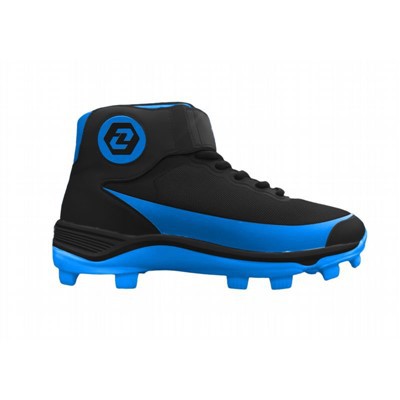
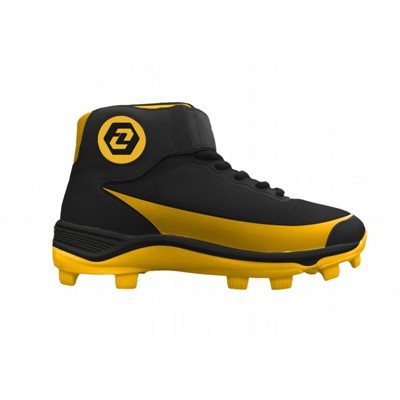
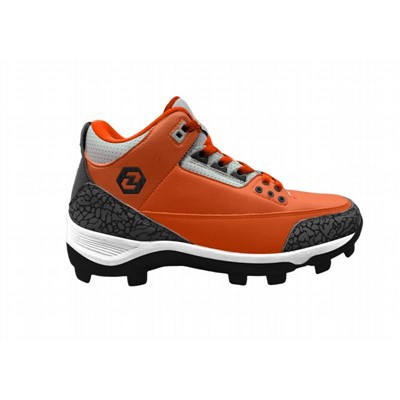
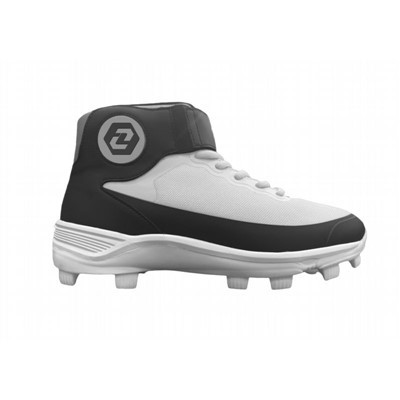
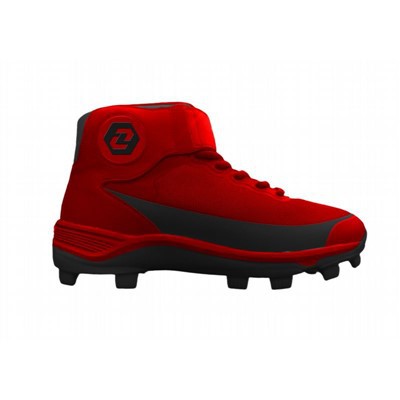
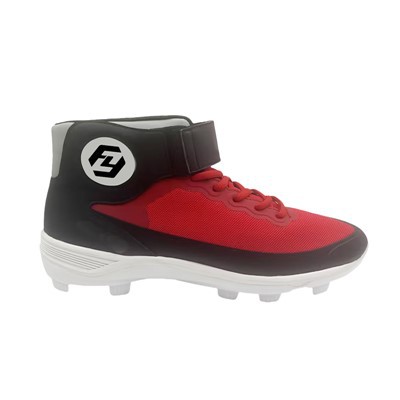
While they look similar, softball cleats and baseball cleats are engineered for different rules and motions. Wearing the right type is crucial for safety, league compliance, and optimal performance-whether you're tracking down a fly ball or fielding a grounder.

Here are the key distinctions:
1. The Toe Cleat: The Biggest Design Difference
Baseball Cleats: Traditional metal baseball cleats often feature a toe cleat-a spike at the very front. This provides extra traction for explosive pushes-off during pitching, hitting, or sprinting. Note: Many youth leagues now ban toe cleats for safety.
Softball Cleats: Fastpitch softball cleats almost NEVER have a toe cleat. The underhand pitching windup and different sliding mechanics make a front spike dangerous. It could catch the ground during the pitch or a slide, risking injury.
2. League Rules & Cleat Type (Metal vs. Molded)
Baseball: Metal cleats are common at advanced levels (high school, college, pro) for superior grip. Youth baseball typically mandates molded cleats (rubber/plastic studs).
Softball: Rules are stricter. Fastpitch softball leagues, especially for youth and high school, frequently prohibit metal cleats entirely. Molded cleats or turf shoes are the standard for safety. Some adult slow-pitch leagues may allow metals.
3. Fit, Cut, and Design
Softball Cleats: Often designed with a lower profile and a narrower fit, particularly in models for female athletes. This supports the agility and lateral movement crucial in softball.
Baseball Cleats: Tend to offer a slightly wider fit. Both low-cut (for speed) and mid-cut (for ankle support) styles are popular, catering to baseball's diverse positional needs.
The Connection: Right Cleats = Better Performance on Plays Like the Shoestring Catch
Imagine an outfielder chasing a sinking liner. Their ability to launch into a sprint, change direction, and finally dive forward relies on their cleats' traction and fit.
A baseball player wearing league-legal metal cleats can dig in for a more powerful start.
A fastpitch outfielder in their toe-cleat-free molded cleats can move safely and fluidly, enabling that final extension to make the catch.
Using the wrong cleats not only violates rules but also hampers the very mechanics needed to make spectacular plays.