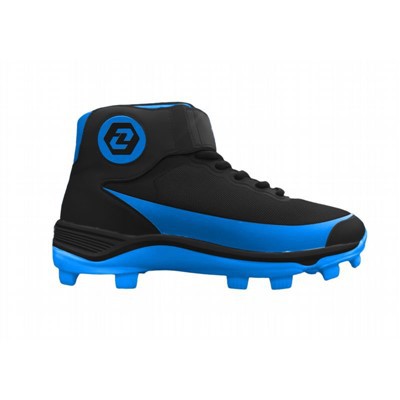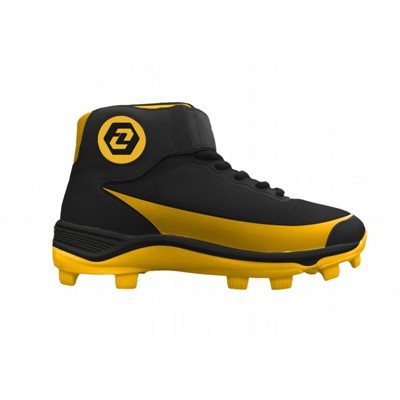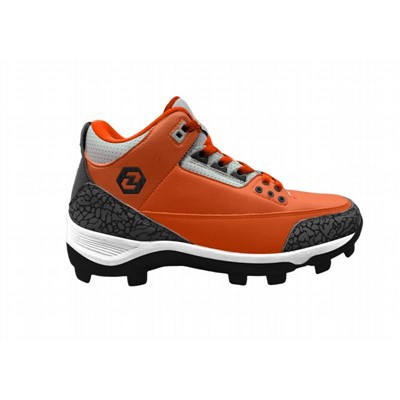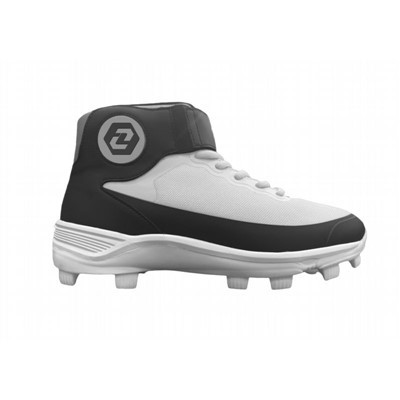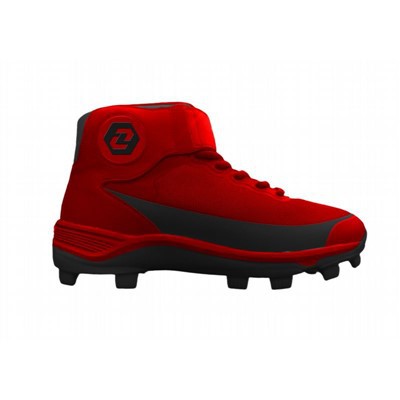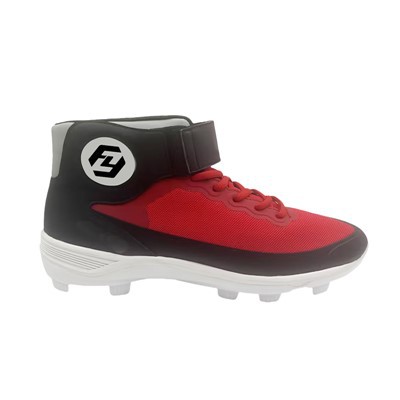
Why Wear Turf Shoes for Baseball?
Unlike cleats designed for natural grass, turf shoes feature a flat, rubber outsole covered in numerous small, rubberized nubs or a intricate multi-directional pattern. This design provides several advantages for baseball:
Surface Protection: Prevents damage to artificial turf fields.
Optimal Traction: Offers superior grip on synthetic surfaces, hard-packed dirt, and gym floors without the risk of cleats catching.
Enhanced Comfort & Support: Often feature better cushioning and arch support for long practices and training sessions.
Versatility: Suitable for drills, batting practice, weight room work, and even casual wear.
Key Features to Look for in 2026
When evaluating the best baseball turf shoes this season, prioritize these aspects:
Outsole Design & Traction: Look for a dense, multi-studded (nubbed) rubber sole. The pattern should offer grip in all directions for lateral moves, sprints, and pivots. Some modern designs incorporate hybrid patterns for mixed-surface use.
Cushioning & Impact Protection: Quality midsole foam (like EVA or proprietary compounds like Nike Air, Adidas Boost) is crucial for absorbing shock during jumps, landings, and long periods of standing.
Ankle Support & Fit: Most turf shoes are low-cut for mobility, but a secure, locked-in heel fit is vital to prevent blisters and rolling. Consider your sock thickness when sizing.
Durability & Materials: Synthetic leather, mesh, and reinforced toe caps (for drag protection) define longevity. Breathable materials keep feet cool during intense workouts.
Weight: Lighter shoes reduce leg fatigue, aiding agility and speed. However, don't sacrifice support and durability for minimal weight alone.


Top Categories & Recommendations for 2026
While specific models evolve, the best turf shoes for baseball generally fall into these categories:
Best for Durability & All-Around Performance: Models from brands like New Balance and Under Armour often lead here. Look for shoes with sturdy synthetic uppers, TPU toe guards, and robust rubber outsoles. They withstand daily abuse from batting practice, fielding drills, and gym work.
Best for Lightweight Speed & Agility: Brands like Nike and Adidas frequently innovate in this space. Shoes in this category use engineered mesh and minimalist yet supportive designs, ideal for outfielders and players focused on sprint drills and ladder work.
Best for Max Cushioning & Comfort: If you prioritize comfort for long days on your feet, seek models with advanced, responsive midsole technology. These are excellent for catchers, coaches, and players with prior foot or knee concerns.
Best Value for Budget-Conscious Players: Several quality options from brands like Mizuno and Skechers offer reliable performance without the premium price tag. Focus on solid basic features rather than the latest tech.
How to Choose: A Quick Checklist
Before you buy, ask yourself:
Primary Use: Is it mainly for artificial turf game play, indoor training, or multi-surface practice?
Your Position: Do you need extra toe drag protection (pitchers), maximal lateral support (infielders), or lightweight flexibility (outfielders)?
Fit: Always try shoes on in the afternoon (feet swell) with the socks you'll play in. There should be a thumb's width of space at the toe.
League Rules: Confirm any specific regulations regarding turf shoe specifications for game use.
Conclusion
The best turf shoes for baseball in 2026 successfully balance aggressive traction on artificial surfaces with all-day comfort and durable construction. Your ideal pair should feel like a natural extension of your foot, providing confidence during every pivot, sprint, and swing. By focusing on outsole design, cushioning, and a secure fit tailored to your position, you can make an informed investment that supports your game throughout the season. Remember, the right turf shoes are not just practice gear-they are a key component of your performance toolkit.